Finding Your Way: Navigating the Wild with a Compass

Imagine this: you’re deep in the heart of the wilderness, surrounded by towering trees, dense undergrowth, and the symphony of nature all around you. You’ve been trekking through this rugged terrain for hours, following your instincts and the path laid out before you. But suddenly, you realize you’re lost. Panic begins to set in as you frantically search for familiar landmarks, but the wilderness is vast and unforgiving. This is where a compass becomes your most valuable tool.
A compass is a simple yet powerful device that can help you navigate through even the most challenging of environments. With just a few basic skills and some knowledge of how to use a compass, you can confidently find your way back to civilization or forge ahead on your wild adventure.
First and foremost, it’s important to understand how a compass works. A compass consists of a magnetized needle that aligns itself with the Earth’s magnetic field, pointing towards magnetic north. By understanding how to read and interpret the needle’s orientation, you can determine your direction and navigate with precision.
When using a compass in the wild, it’s essential to establish a reference point. This can be anything from a tree to a rock formation to a mountain peak in the distance. By fixing your gaze on this reference point and aligning your compass with it, you can determine your heading and confidently navigate in the right direction.
In addition to establishing a reference point, it’s important to orient your compass correctly. This means ensuring that the direction of travel arrow on the compass aligns with the direction you want to go. By orienting your compass in this way, you can confidently follow your chosen path and avoid getting lost.
As you journey through the wild, keep in mind that food may become scarce. While it’s important to pack essential supplies, there are also edible foods you can find in the forest. Wild berries, nuts, and edible plants can provide sustenance in times of need. Just be sure to properly identify these foods before consuming them, as some wild plants can be toxic.
As you venture deeper into the wilderness, the thrill of exploration and discovery fuels your journey. With your trusty compass in hand, you navigate through dense forests, across rugged terrain, and over challenging obstacles. Each step brings you closer to the heart of the wild, where untold wonders and hidden treasures await.
But even the most experienced explorer can find themselves disoriented in the vast expanse of the wilderness. This is where your compass truly shines, guiding you back on course and keeping you on track. As the sun begins to set and the stars twinkle overhead, you can rest easy knowing that your compass will lead you safely through the night.
In conclusion, a compass is a valuable tool for any explorer venturing into the wild. By understanding how to use a compass and following basic navigation principles, you can confidently navigate through even the most challenging of environments. So pack your compass, embrace the thrill of adventure, and let the wilderness be your guide. Happy exploring!
Best Places to Travel for Outdoor Adventures for Survivalists

Are you an outdoor enthusiast who loves testing your survival skills in the wilderness? If so, there are plenty of stunning destinations around the world that offer the perfect setting for outdoor adventures. From challenging hikes to remote camping spots, these locations are sure to satisfy your craving for rugged, outdoor experiences. Here are some of the best places to travel for outdoor adventures for survivalists:
1. Alaska, USA
Alaska is a vast, untamed wilderness that offers endless opportunities for outdoor survivalists. With its rugged terrain, challenging weather conditions, and abundant wildlife, Alaska is the perfect destination for those looking to test their skills in the great outdoors. Whether you want to hike through remote wilderness areas, fish for your dinner in pristine rivers, or camp under the stars in a secluded location, Alaska has something to offer every outdoor enthusiast.
2. Patagonia, Chile/Argentina
Patagonia is a region of South America known for its stunning landscapes and remote wilderness areas. With its towering mountains, pristine lakes, and vast expanses of untouched wilderness, Patagonia is a paradise for outdoor survivalists. Whether you want to trek through the rugged terrain of Torres del Paine National Park, paddle along the crystal-clear waters of the Futaleufú River, or explore the windswept plains of Tierra del Fuego, Patagonia has something for everyone.
3. Scottish Highlands, Scotland
The Scottish Highlands are a rugged and remote region of Scotland that offers some of the most challenging outdoor adventures in Europe. With its towering mountains, deep glens, and wild coastline, the Scottish Highlands are a playground for outdoor survivalists. Whether you want to hike to the summit of Ben Nevis, Scotland’s highest mountain, explore the remote islands of the Inner Hebrides, or brave the elements on a wild camping trip, the Scottish Highlands are sure to test your survival skills to the max.
4. Icelandic Wilderness, Iceland
Iceland is a land of fire and ice, with its otherworldly landscapes, geothermal hot springs, and active volcanoes. The Icelandic wilderness offers outdoor survivalists the chance to experience some of the most unique and rugged terrain on Earth. Whether you want to hike through the dramatic landscapes of Þórsmörk National Park, kayak along the stunning coastline of the Westfjords, or camp under the Northern Lights in the remote highlands, Iceland is a destination like no other.
5. Outback, Australia
The Australian Outback is a vast and remote wilderness that offers outdoor survivalists the chance to truly test their skills in the wild. With its harsh desert landscapes, extreme temperatures, and unique wildlife, the Outback is not for the faint of heart. Whether you want to trek along the ancient trails of the Larapinta Trail, explore the rugged terrain of the Flinders Ranges, or camp under the stars in the remote Outback, Australia offers endless opportunities for outdoor adventures.
In conclusion, there are plenty of incredible destinations around the world that offer the perfect setting for outdoor adventures for survivalists. Whether you prefer the rugged wilderness of Alaska, the stunning landscapes of Patagonia, the challenging terrain of the Scottish Highlands, the otherworldly landscapes of Iceland, or the harsh beauty of the Australian Outback, there is something for every outdoor enthusiast. So pack your gear, sharpen your skills, and get ready for the adventure of a lifetime in the great outdoors.
Hunting Deer for Survivalists: A Professional Guide

For survivalists, being able to hunt for food is a crucial skill that can mean the difference between thriving and merely surviving in a challenging environment. In many situations, deer hunting can provide not only sustenance, but also a sense of thrill and accomplishment. In this guide, we will explore the basics of hunting deer for survivalists in a professional and ethical manner.
The Basics of Deer Hunting
Before heading out to hunt deer, it is important to understand the basics of deer behavior, habitat, and hunting techniques. Deer are typically most active during the early morning and late evening hours, so these are the best times to go hunting. Look for signs of deer activity such as tracks, droppings, and rubs on trees to determine where they are likely to be found.
When hunting deer, it is crucial to be stealthy and patient. Deer have keen senses of smell, hearing, and sight, so it is important to remain downwind and avoid making any unnecessary noise. Utilize camouflage clothing and gear to blend in with your surroundings and increase your chances of success.
Hunting Tools and Techniques
For survivalists, using a bow and arrow or a crossbow can be a more sustainable and quiet option for hunting deer. Practice your archery skills regularly to ensure accuracy and precision when taking your shot. Alternatively, a rifle or shotgun can be used for hunting deer, but these may be noisier and less sustainable in a survival situation.
When hunting deer, it is important to aim for a vital organ such as the heart or lungs to ensure a quick and humane kill. Take your time to line up your shot carefully and wait for the deer to present a clear and ethical shot opportunity. Tracking the deer after the shot is crucial to ensure a successful harvest, so be prepared to follow any blood trails and search diligently for your game.
Ethical Considerations
As a survivalist, it is important to prioritize ethical hunting practices when pursuing deer for food. Always follow local hunting regulations and obtain the necessary permits or licenses before hunting deer. Respect the animal and the environment by making clean and quick kills, utilizing all parts of the animal, and minimizing waste.
Avoid taking unnecessary risks or hunting for sport when hunting deer for survival. Remember that your goal is to provide food for yourself and potentially others in a sustainable and responsible manner. By hunting ethically and responsibly, you can enhance your survival skills and develop a deeper connection to the natural world.
Conclusion
Hunting deer for survivalists can be a challenging yet rewarding experience that provides both food and a sense of accomplishment. By understanding deer behavior, using the right hunting tools and techniques, and prioritizing ethical considerations, survivalists can effectively hunt deer for sustenance in a professional and responsible manner.
As you continue to hone your hunting skills and embrace the thrill of the chase, remember the importance of sustainability and respect for the natural world. Hunting deer for survival can be a powerful way to connect with your primal instincts and provide for yourself in challenging environments. Happy hunting!
How to Hunt Turkey: A Guide for Explorers

Turkey hunting can be an exhilarating outdoor adventure for those who are looking to connect with nature and test their hunting skills. For explorers who are interested in pursuing this activity, it is important to understand the basics of turkey hunting in order to have a successful and ethical experience. In this guide, we will discuss the steps and techniques that explorers can use to hunt turkey responsibly.
Understanding Turkey Behavior
Before embarking on a turkey hunting expedition, it is essential to understand the behavior of these elusive birds. Turkeys are known for their keen senses of hearing and vision, making them a challenging target for hunters. They are most active during the early morning and late afternoon, when they are searching for food or roosting in trees. By observing turkey behavior and learning their patterns, explorers can increase their chances of a successful hunt.
Choosing the Right Gear
When it comes to turkey hunting, having the right gear can make all the difference. Explorers should invest in a high-quality shotgun with a full choke, as well as specialized turkey loads that are designed for maximum penetration and knockdown power. Camouflage clothing is also essential for blending in with the surroundings and avoiding detection by sharp-eyed turkeys. Additionally, a quality turkey call can help hunters lure turkeys into shooting range by mimicking their vocalizations.
Scouting the Area
Scouting is a crucial step in preparing for a turkey hunt. Explorers should familiarize themselves with the terrain and identify potential roosting areas, feeding grounds, and travel routes used by turkeys. By setting up trail cameras or scouting for turkey signs such as tracks, feathers, and droppings, hunters can gather valuable information that will help them plan their hunt effectively.
Setting Up the Ambush
One of the key tactics used in turkey hunting is setting up an ambush to intercept the birds as they move through the area. Explorers should choose a strategic location near a known turkey roost or feeding area, and set up decoys to attract the attention of passing turkeys. By concealing themselves in a natural blind or using a portable hunting blind, hunters can remain undetected while waiting for their prey to approach.
Taking the Shot
When the moment of truth arrives and a turkey comes within shooting range, it is important for hunters to remain calm and aim carefully. The head and neck are the most effective areas to target for a clean and humane kill, as they offer a larger vital area compared to the body. By waiting for the turkey to hold still and aiming for a precise shot, explorers can ensure a quick and ethical harvest.
Conclusion
Turkey hunting can be a challenging and rewarding experience for explorers who are willing to put in the time and effort to master the art of hunting these elusive birds. By understanding turkey behavior, choosing the right gear, scouting the area, setting up an ambush, and taking the shot responsibly, hunters can increase their chances of a successful hunt while respecting the natural world around them. So, lace up your boots, grab your gear, and head out into the great outdoors to experience the thrill of turkey hunting for yourself. Happy hunting!
The Thrill of Turkey Hunting: A Guide for Explorers

As an avid explorer and lover of the great outdoors, there is nothing quite like the thrill of turkey hunting. The rush of adrenaline as you stalk your prey through the woods, the challenge of outwitting these wily birds, and the satisfaction of bringing home your own organic, free-range meat – it truly is an unforgettable experience. In this guide, I will share some tips and tricks for hunting turkey that will help you make the most of your next adventure in the wilderness.
Preparation is Key
Before you head out into the woods in search of turkey, it is important to properly prepare. This means familiarizing yourself with the area where you will be hunting, understanding the habits and behaviors of turkeys, and ensuring that you have all the necessary gear. A good pair of camouflage clothing, a reliable shotgun or bow, calls to attract the birds, and a sturdy pair of boots are all essential items for a successful hunt.
Scouting for Turkeys
One of the most crucial steps in turkey hunting is scouting. This involves spending time in the woods observing the birds’ behavior, tracking their movements, and identifying their roosting and feeding areas. Pay attention to the times of day when turkeys are most active, as well as the types of terrain they prefer. By gathering this information, you will be able to plan your hunting strategy more effectively.
Setting Up the Perfect Ambush
Once you have identified a promising location, it’s time to set up your ambush. Find a comfortable spot with good visibility, and use natural cover to conceal yourself from the keen eyesight of the turkeys. Place decoys strategically to attract the birds, and use your calls to mimic their sounds and draw them in. Patience is key in turkey hunting, so be prepared to wait quietly for long periods until the perfect opportunity presents itself.
Making the Shot
When a turkey finally comes into range, it’s time to make your shot count. Take a deep breath, steady your aim, and wait for the right moment to pull the trigger or release your arrow. A well-placed shot to the vital organs will ensure a quick and humane kill, as well as preserving the quality of the meat. Celebrate your successful hunt, but always remember to show respect for the animal and the environment.
Bringing Home the Harvest
After a successful hunt, the real work begins. Carefully field-dress the turkey to preserve the meat, being sure to remove the entrails quickly to avoid spoiling. If you are hunting in a remote area, it is important to properly store and transport the meat to maintain its freshness. Whether you choose to roast, smoke, or grill your turkey, there is nothing quite like the taste of wild game that you have harvested yourself.
Reflecting on the Experience
As you sit down to enjoy the fruits of your labor, take a moment to reflect on the experience of turkey hunting. The thrill of the chase, the satisfaction of providing for yourself through sustainable means, and the connection to nature that comes with spending time in the wilderness – these are all part of what makes hunting such a rewarding endeavor for explorers like us. Remember to always hunt ethically, follow local regulations, and respect the environment and the animals that call it home.
In conclusion, turkey hunting is a challenging and exciting pursuit that can provide you with both an adrenaline rush and a bountiful harvest. By properly preparing, scouting, setting up your ambush, making a clean shot, and bringing home the meat responsibly, you can experience the true thrill of the hunt. So lace up your boots, grab your gear, and head out into the woods for a memorable adventure that will satisfy both your inner explorer and your taste buds. Happy hunting!
Building a Shelter in the Forest: A Hiker’s Guide
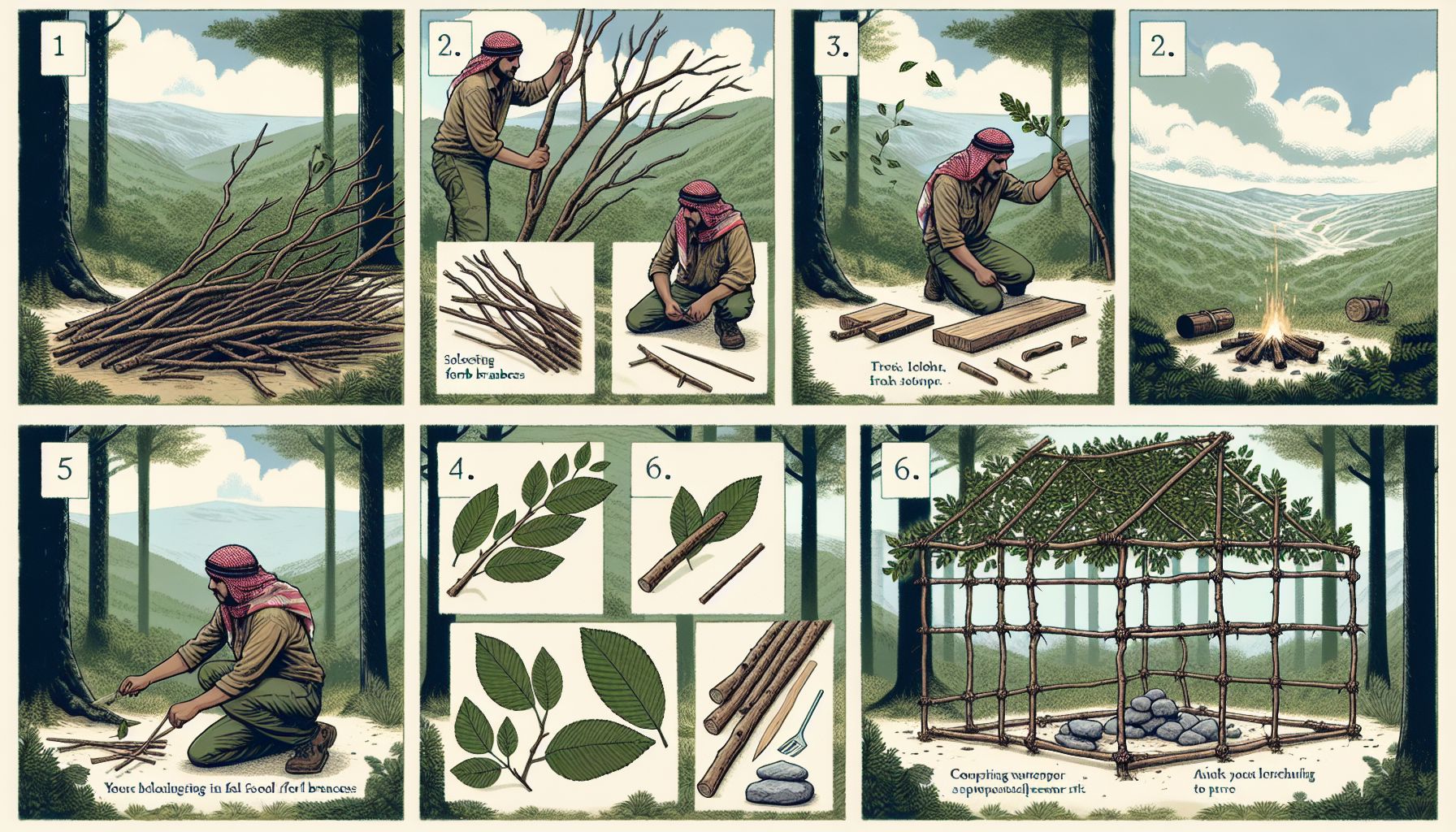
When embarking on a hiking adventure in the wilderness, it’s essential to be prepared for any situation that may arise. One crucial skill that every hiker should possess is the ability to build a shelter in the forest. Whether you find yourself lost, injured, or simply in need of a place to rest for the night, knowing how to construct a shelter can be a lifesaving skill. In this guide, we will walk you through the steps of building a shelter in the forest like a pro.
Selecting a Location
The first step in building a shelter in the forest is to choose a suitable location. Look for a flat area with good drainage to avoid water pooling around your shelter. It’s also important to consider proximity to water sources, but be cautious not to build too close to avoid potential flooding. Additionally, try to find a spot that is clear of rocks, sharp branches, and other hazards that could hinder your shelter-building process.
Collecting Materials
Once you have found a suitable location, it’s time to gather materials for your shelter. Look for fallen branches, sticks, and leaves to use as building materials. It’s essential to choose dry and sturdy branches to ensure the structural integrity of your shelter. Remember to collect enough materials to cover the roof and walls of your shelter adequately.
Building the Shelter
Start by creating a frame for your shelter using the larger branches and sticks you’ve collected. Lean the branches against a tree or create a A-frame structure for support. Once you have your frame in place, fill in the gaps with smaller branches and sticks to create a solid structure. Cover the frame with leaves, moss, or other natural materials to provide insulation and protection from the elements.
Securing the Shelter
To ensure that your shelter is stable and secure, use additional branches or rocks to anchor the frame to the ground. This will help prevent it from collapsing in case of strong winds or other external forces. Take the time to make any necessary adjustments to ensure that your shelter is sturdy and well-constructed.
Improving the Shelter
If you have the time and resources, there are several ways to improve your shelter for increased comfort and protection. Adding a layer of leaves or pine needles to the floor will provide insulation and cushioning. You can also build a fire pit outside your shelter for warmth and cooking. Just be sure to follow proper safety precautions when building and maintaining a fire in the forest.
Conclusion
Building a shelter in the forest is a valuable skill that every hiker should possess. By selecting a suitable location, collecting materials, and following the steps outlined in this guide, you can construct a shelter like a pro and ensure your safety and comfort in the wilderness. Remember to practice building shelters regularly to hone your skills and be prepared for any situation that may arise during your outdoor adventures. Happy hiking!
How to Start a Fire in the Wild: Essential Skills for Hikers
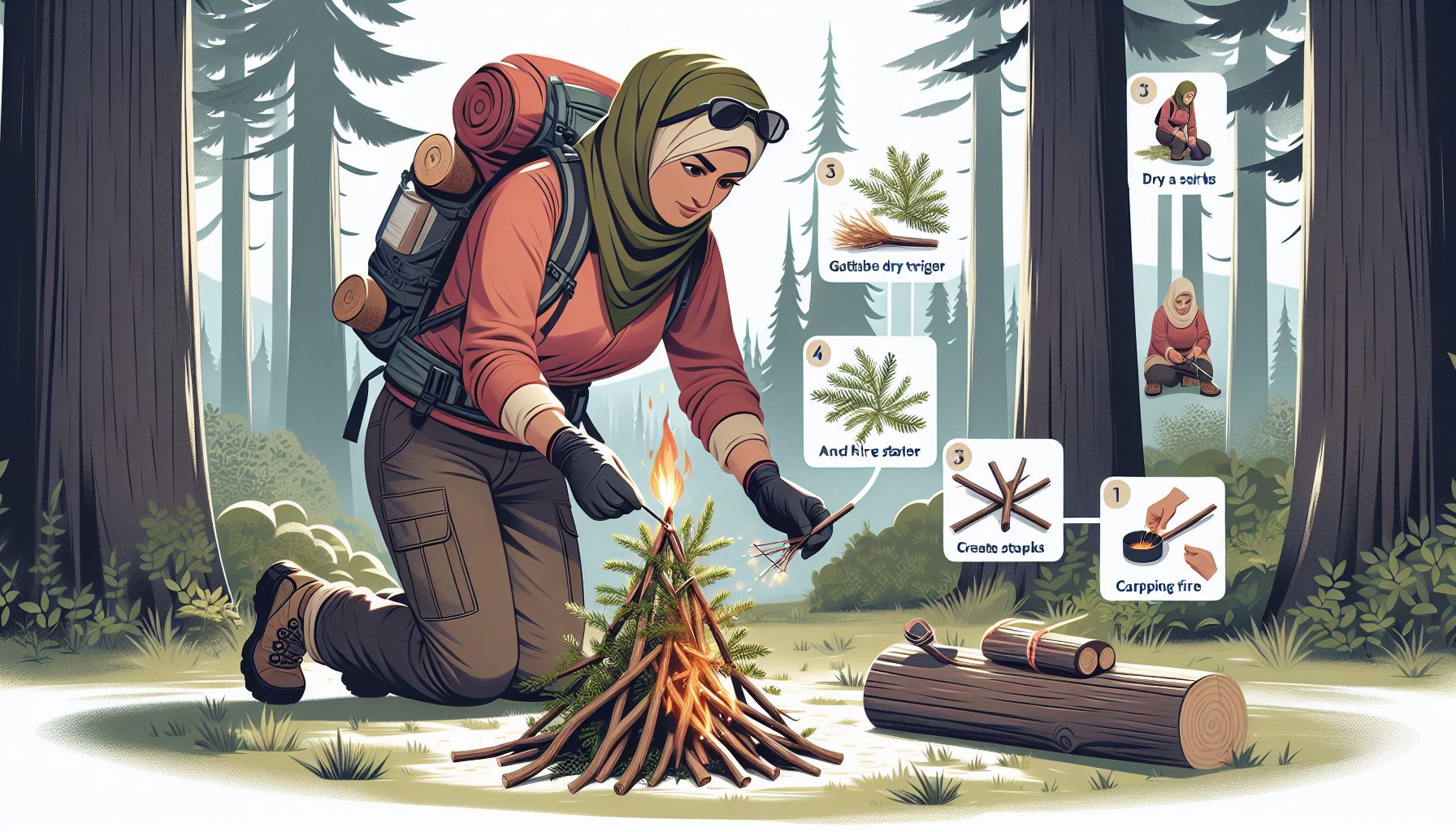
As a hiker, venturing into the wilderness can be a thrilling and exhilarating experience. However, it is important to be prepared for any situation that may arise, including the need to start a fire in the wild. Whether you need to stay warm, cook food, signal for help, or ward off wild animals, knowing how to start a fire is a critical skill for any outdoor enthusiast. In this article, we will provide you with a step-by-step guide on how to start a fire in the wild like a pro.
Preparation is Key
Before you even think about starting a fire, it is essential to make sure you are prepared with the right tools and materials. Always carry a reliable lighter or waterproof matches in your backpack, as well as some fire-starting materials such as tinder, kindling, and fuel wood. Tinder can be anything dry and flammable, such as pine needles, dried leaves, or paper. Kindling is small sticks and twigs that will catch fire easily and help ignite the larger fuel wood. Fuel wood is larger pieces of wood that will sustain the fire once it is burning.
Choose the Right Location
When selecting a location to start your fire, it is important to choose a spot that is safe and will not cause any damage to the surrounding environment. Look for a flat area away from any dry grass, leaves, or overhanging trees. Clear a small circle of ground and build a ring of rocks to contain the fire and prevent it from spreading.
Build a Fire Lay
There are several methods for building a fire lay, but one of the most common and effective techniques is the teepee lay. Start by placing a small pile of tinder in the center of your fire ring. Surround the tinder with a small teepee structure made of kindling, leaving a small opening on one side for you to light the tinder. As the fire grows, gradually add larger pieces of fuel wood to keep it burning strong.
Ignite the Fire
Carefully light the tinder using your lighter or matches, making sure to shield the flame from any wind. Once the tinder is burning, gently blow on it to feed it more oxygen and help it grow. As the kindling catches fire, continue to add more fuel wood to keep the fire going. If the fire starts to die down, add more kindling to revive it.
Monitor and Maintain the Fire
Once your fire is burning strong, make sure to keep an eye on it and add more fuel wood as needed. Be mindful of any sparks or embers that may fly out of the fire and start a new blaze. When you are done with the fire, make sure to fully extinguish it by pouring water over the embers and stirring them until they are completely out.
Conclusion
Starting a fire in the wild may seem like a daunting task, but with the right knowledge and preparation, you can master this essential skill like a pro. By following the steps outlined in this article, you can safely and effectively start a fire in the wilderness to keep yourself warm, cook food, and signal for help if needed. Remember to always adhere to Leave No Trace principles and practice fire safety to protect yourself and the environment. Happy hiking!
How to Hunt Turkey for Survivalists
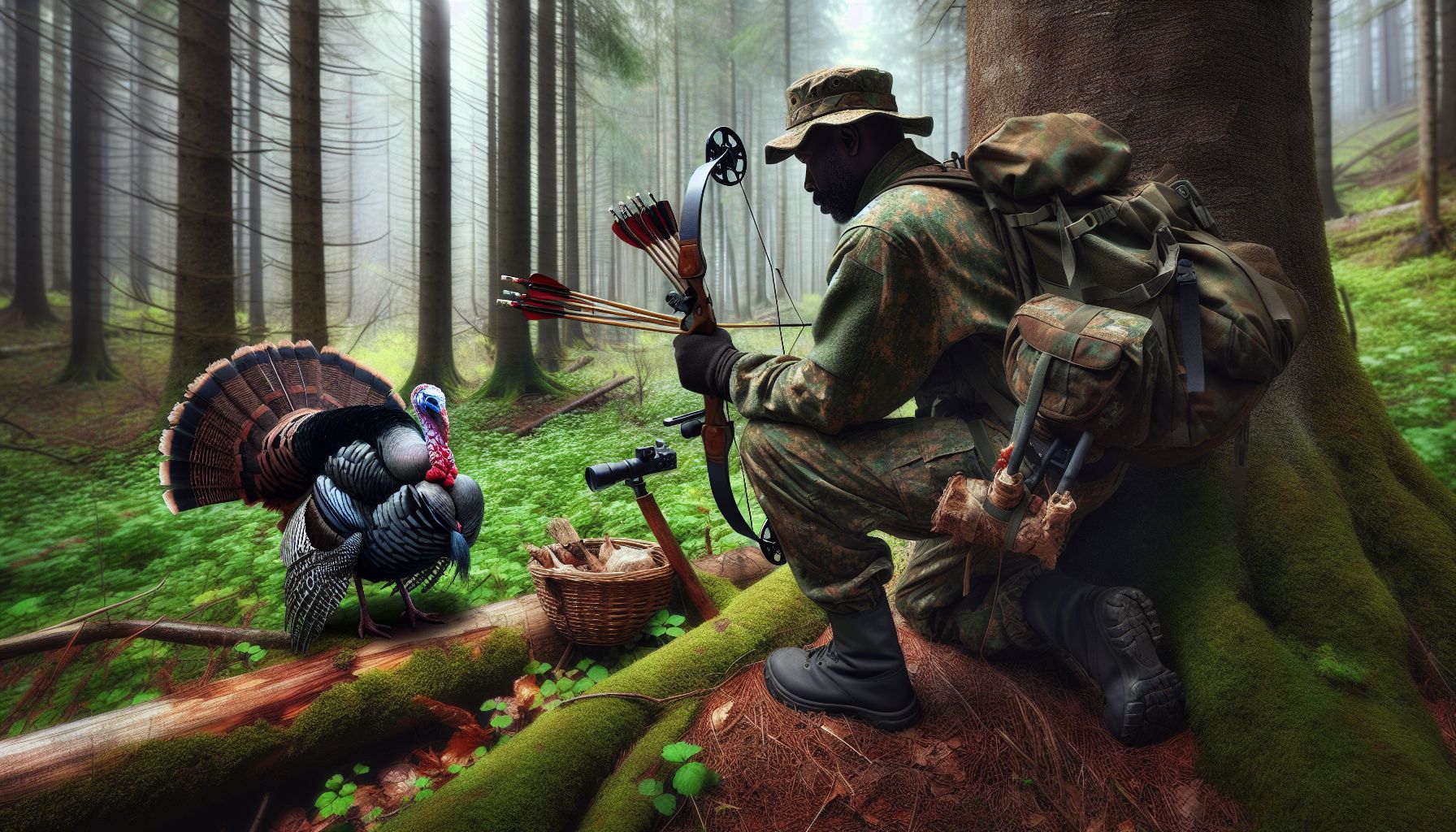
Turkey hunting can be a challenging yet rewarding experience for survivalists looking to provide food for themselves in the wilderness. Turkeys are a great source of protein and can be found in various habitats across North America. In this article, we will discuss some tips and techniques for hunting turkeys in a survivalist situation.
Before the Hunt
Before heading out to hunt turkeys, it is important to be prepared. Make sure you have the necessary hunting gear, including a reliable weapon such as a shotgun or bow, camouflage clothing, hunting boots, and calls to attract turkeys. It is also essential to check the hunting regulations in the area you plan to hunt, as well as obtaining any necessary permits.
Choosing the Right Spot
When scouting for turkeys, look for areas with good cover, roosting sites, and food sources. Turkeys are known to frequent oak ridges, grassy fields, and open woodlands. Set up your hunting spot near these areas, making sure to remain hidden and undetected by the birds.
Using Calls
Using turkey calls is crucial for attracting turkeys to your location. There are various types of calls, including box calls, slate calls, and diaphragm calls. Practice using these calls before heading out into the field, as realistic turkey sounds can make all the difference in luring in your prey.
Patience is Key
Hunting turkeys requires patience and persistence. Turkeys have excellent eyesight and can easily detect movement. Stay still and alert while waiting for turkeys to approach. Use decoys to add realism to your setup and attract curious turkeys.
Shot Placement
When it comes time to take the shot, aim for vital organs such as the head or neck for a clean, quick kill. Turkeys have thick feathers that can deflect shots, so it is important to aim carefully and shoot at close range for maximum effectiveness.
The Harvest
After successfully harvesting a turkey, it is essential to process the bird properly to ensure the meat stays fresh. Remove the feathers, gut the bird, and store the meat in a cool place. Turkey meat can be cooked and eaten in various ways, providing a valuable source of protein for survivalists in the wilderness.
Safety Tips
Hunting wild animals comes with inherent risks, so it is essential to practice safety at all times. Always be aware of your surroundings and know where other hunters may be located. Wear blaze orange clothing to increase visibility and avoid accidents. Additionally, never point your weapon at anything you do not intend to shoot.
Conclusion
Hunting turkey for survival can be a challenging yet rewarding experience for those willing to put in the time and effort. By following these tips and techniques, survivalists can increase their chances of successfully harvesting a turkey for food in the wilderness. Remember to stay patient, use calls effectively, practice shot placement, and prioritize safety at all times. Happy hunting!
Building a Shelter in the Woods for Hikers
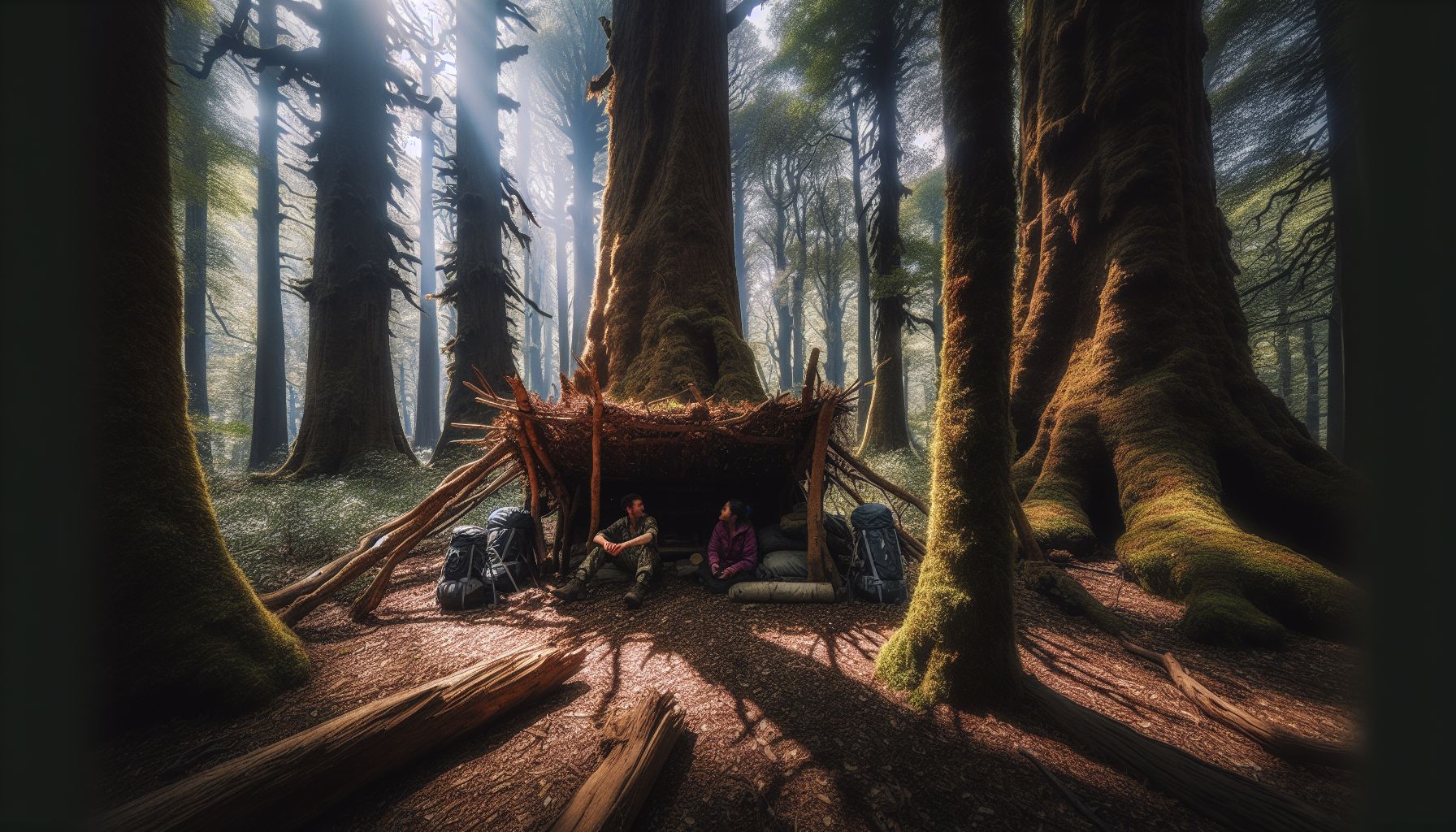
When embarking on a hike through the wilderness, it is important to be prepared for any unexpected twists and turns that may come your way. One of the most vital skills any hiker can possess is knowing how to build a shelter in the woods. Whether you are caught in a sudden downpour or need a place to rest for the night, having the ability to construct a shelter can mean the difference between a thrilling adventure and a potential disaster.
Finding the Right Location
The first step in building a shelter in the woods is finding the perfect location. Look for a spot that is flat and free from any debris or potential hazards. Avoid setting up your shelter near water sources, as this can attract unwanted wildlife. Instead, opt for a location that is easily accessible but provides enough coverage from the elements.
Choosing the Right Materials
Once you have found the ideal location, it is time to gather materials for your shelter. Look for sturdy branches, leaves, and vines that can be used to construct a sturdy frame. If you are near a river or stream, consider using rocks to help anchor your shelter in place. Remember, the goal is to create a shelter that is sturdy enough to withstand the elements, so take your time collecting materials and ensure they are strong enough to hold up.
Building the Shelter
Now that you have found the right location and gathered your materials, it is time to start building your shelter. Begin by creating a frame using the branches you collected, making sure to secure them in place with vines or rope. Once the frame is in place, cover it with leaves and branches to create a roof that will protect you from rain and wind. Take your time with this step, as a well-built shelter can make all the difference in a survival situation.
Adding Final Touches
To make your shelter even more comfortable, consider adding some final touches. If you have a tarp or emergency blanket, use it to line the inside of your shelter for added protection from the elements. Creating a raised bed using leaves or branches can also help keep you off the ground and warmer throughout the night. Remember, the more effort you put into building your shelter, the more comfortable and secure you will be.
Thrill Seeking and Wildlife Awareness
While building a shelter in the woods can be an exciting challenge, it is important to remember that you are in the territory of wild animals. Be sure to make noise while gathering materials to alert any nearby wildlife of your presence. Additionally, consider starting a small fire near your shelter to keep potential predators at bay. Remember, it is always better to be safe than sorry when it comes to wildlife encounters in the wilderness.
Conclusion
Building a shelter in the woods for hikers can be a rewarding and thrilling experience. By following these steps and taking the time to construct a sturdy and secure shelter, you can ensure that you are prepared for any unexpected situations that may arise during your hike. Remember to always prioritize safety and take the necessary precautions to protect yourself from the elements and wildlife. With the right skills and mindset, you can turn any hike into an unforgettable adventure.
Building a Shelter in the Woods: A Guide for Adventure Seekers
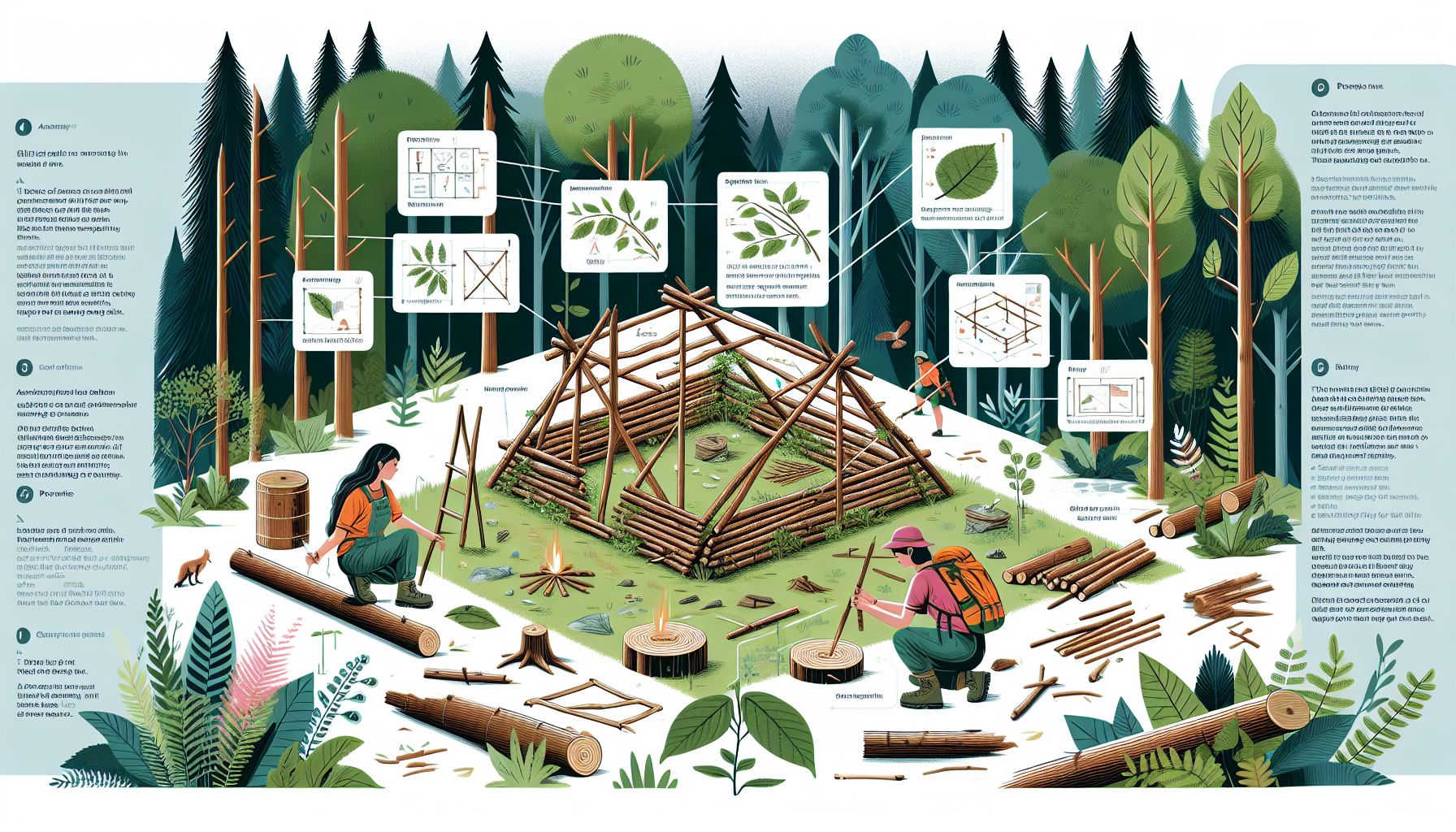
As an avid hiker and outdoor enthusiast, there’s nothing quite like the thrill of heading into the woods for a weekend of adventure. Whether you’re hiking through rugged terrain or hunting wild animals, there’s a certain magic to immersing yourself in nature. But what do you do when the sun begins to set and you need a place to rest your weary head? That’s where building a shelter in the woods comes in handy.
The Importance of Shelter
Before we dive into the nitty-gritty of building a shelter, let’s talk about why it’s so important. When you’re out in the wilderness, having a shelter provides protection from the elements, keeps you warm and dry, and gives you a sense of security. Plus, there’s a certain satisfaction that comes from knowing you built your own temporary home with nothing but your hands and the resources around you.
Finding the Perfect Spot
The first step in building a shelter is finding the perfect spot. Look for a flat area that’s not too close to water (to avoid flooding) and has plenty of natural resources nearby. Keep an eye out for sturdy trees that can be used as the foundation for your shelter, and make sure to clear away any debris or obstacles in the area.
Collecting Materials
Once you’ve found the perfect spot, it’s time to start collecting materials. Look for branches, leaves, and other natural resources that can be used to build your shelter. Remember, the goal is to create a structure that will protect you from the elements, so make sure to gather enough materials to create a solid and sturdy shelter.
Building Your Shelter
Now comes the fun part: building your shelter. Start by creating a frame using sturdy tree branches as the support beams. Lean these branches against a tree or stack them together to create a basic structure. Then, layer smaller branches, leaves, and other debris on top to create a roof. Make sure to pack the materials tightly together to create a barrier against wind and rain.
Adding the Finishing Touches
With your basic structure in place, it’s time to add the finishing touches to your shelter. Consider adding a layer of leaves or branches on the floor to create a comfortable sleeping area. If you have a tarp or emergency blanket, consider using it as an additional layer of protection against the elements. And don’t forget to gather firewood and create a fire pit outside your shelter for warmth and cooking.
Enjoying Your Shelter
Once your shelter is built, take a moment to admire your handiwork. Sit back, relax, and enjoy the sounds of nature around you. Whether you’re planning on spending the night or just taking a break from hiking, having a shelter in the woods can enhance your outdoor experience and give you a greater sense of connection to the wilderness.
In conclusion, building a shelter in the woods is a valuable skill for any adventure seeker. It provides protection, warmth, and a sense of accomplishment that can enhance your outdoor experience. So next time you’re out in the wilderness, consider taking the time to build your own shelter and see how it can elevate your adventure to the next level.