The Ultimate Guide to Turkey Hunting for Adventure Seekers
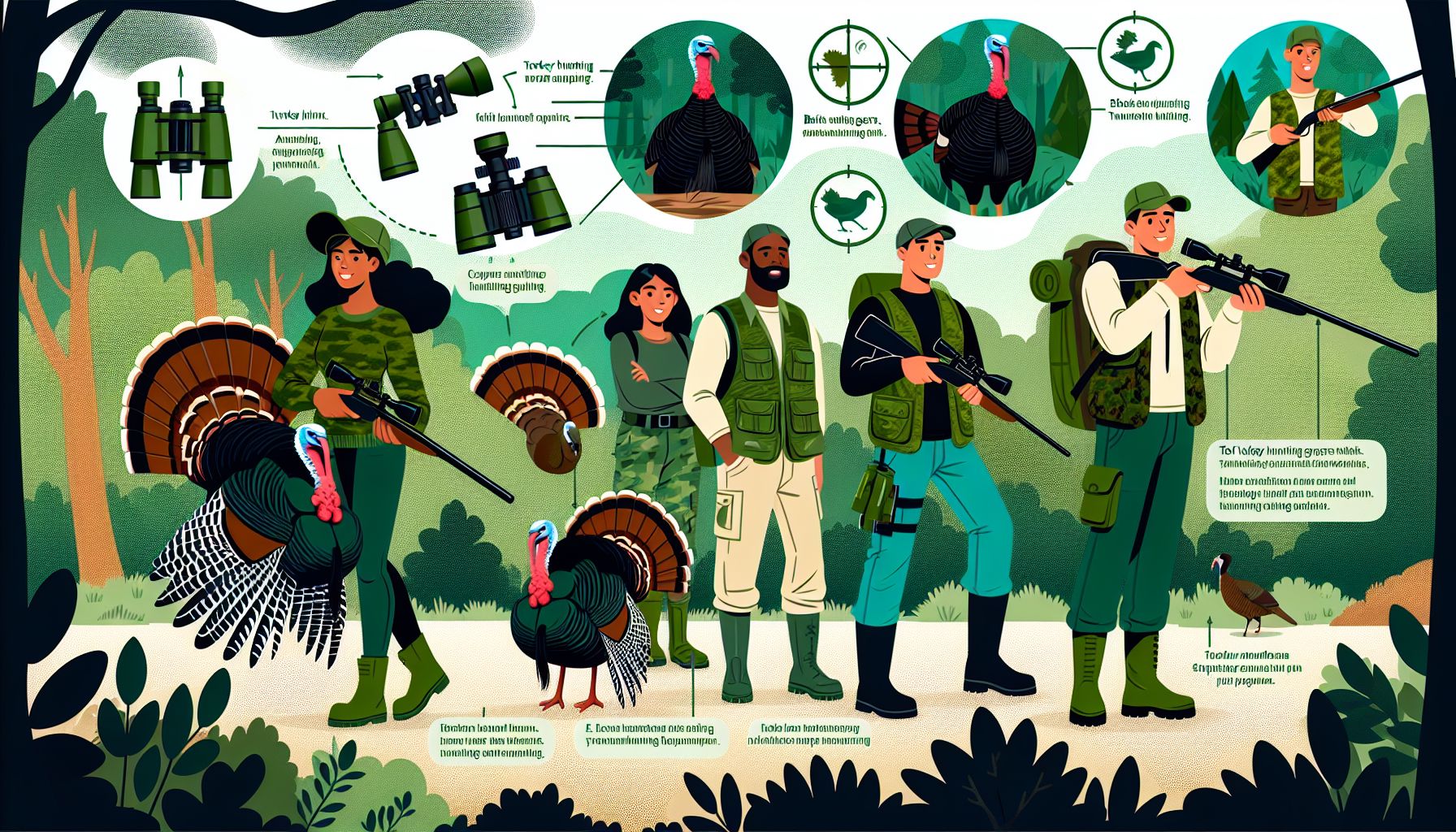
Are you an adventure seeker who enjoys the thrill of the great outdoors? If so, then turkey hunting might just be the perfect activity for you. Not only does it provide an exciting and adrenaline-filled experience, but it also allows you to connect with nature and test your survival skills. In this guide, we will provide you with everything you need to know to successfully hunt turkey and make the most of this thrilling adventure.
Introduction to Turkey Hunting
Turkey hunting is an age-old tradition that has evolved into a popular recreational activity for outdoor enthusiasts and survivalists alike. The thrill of tracking a turkey through the wilderness, the anticipation of the perfect shot, and the satisfaction of a successful hunt are all part of the appeal. To make the most of your turkey hunting adventure, here are some essential tips and techniques to keep in mind.
1. Research and Preparation
Before embarking on your turkey hunting expedition, it’s crucial to conduct thorough research. Familiarize yourself with the habits, behavior, and habitats of turkeys in the area you plan to hunt. Studying their mating patterns, feeding areas, and roosting locations will significantly increase your chances of a successful hunt. Seek out local resources, join online forums, or connect with experienced hunters to gather valuable insights.
2. Gear and Equipment
Having the right gear and equipment is paramount for a successful turkey hunt. While a shotgun is the most popular choice for turkey hunting, make sure you choose an appropriate gauge and load for the task. Additionally, invest in camouflage clothing that blends seamlessly with the natural surroundings. Essential accessories such as a turkey call, decoys, face mask, and gloves should also be a part of your kit.
3. Scouting
Scouting the hunting area before the actual hunt is a crucial step that should not be overlooked. Look for signs of turkey presence, such as droppings, tracks, feathers, and scratch marks on the ground. This information will enable you to identify the most strategic spots to set up decoys or take cover.
4. Master the Art of Calling
Mastering the art of turkey calling is key to a successful hunt. Practice various calls, such as clucks, purrs, yelps, and gobbles, to effectively communicate with turkeys and entice them closer. Properly imitating these sounds takes practice and patience, but it significantly increases your chances of luring turkeys within shooting range.
5. Concealment and Patience
Turkeys have exceptional vision, so it’s essential to remain concealed and motionless while hunting. Use natural cover, such as bushes or trees, and position yourself downwind from the anticipated turkey approach. Patience is key, as turkeys are notorious for their cautious nature. Wait for the perfect opportunity to take a shot, and remember, a rushed shot often ends in disappointment.
6. Safety First
As an adventure seeker, safety should always be your top priority. Before heading out, let someone know your hunting plans and when you expect to return. Follow all firearms safety protocols and wear hunter orange to ensure your visibility to others. Also, be wary of other hunters and avoid crowding the hunting area to promote a safe and enjoyable experience for everyone.
Conclusion
Turkey hunting offers adventure seekers a chance to immerse themselves in nature, challenge their survival skills, and experience the thrill of the chase. By conducting thorough research, acquiring the necessary gear, practicing proper calling techniques, and prioritizing safety, you can enhance your chances of a successful hunt. So, gear up, step into the wild, and let the exhilarating journey of turkey hunting begin!
How to Successfully Catch Fish for Survivalists
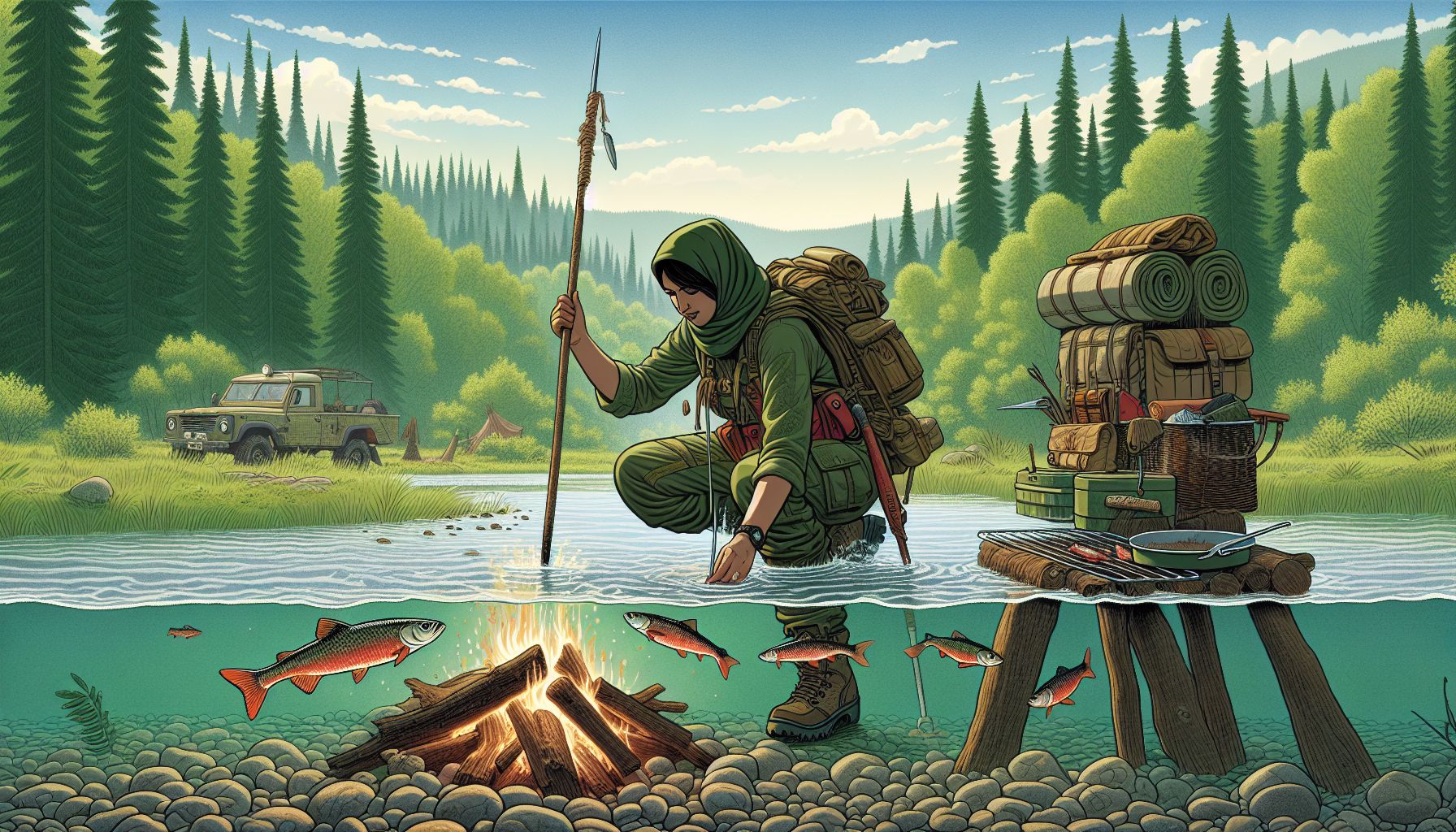
Survival skills are essential for anyone who enjoys venturing into the great outdoors. Whether you are an avid camper, hiker, or thrill seeker, knowing how to catch fish can be vital to sustain yourself in the wilderness. Fishing can provide you with an excellent source of protein and nutrients, making it an essential skill for any survivalist. In this article, we will explore some tried and tested techniques to help you successfully catch fish in any wilderness scenario.
1. Choose the Right Location
To increase your chances of a successful catch, it is crucial to select the right fishing spot. Factors like the time of day, weather conditions, and the type of waterbody you choose can significantly impact your success.
Typically, early mornings and late evenings are the best times for fishing, as fish are more active during these cooler periods. Look for areas where there is a change in water depth, such as edges of submerged structures, drop-offs, or riverbanks. These spots tend to attract fish, providing you with a higher chance of success.
2. Prepare the Right Gear
Equipping yourself with the correct fishing gear is essential for a successful catch. While survival situations may not allow for fancy equipment, a basic fishing set can still be effective. Here is a list of essential items you should include in your survival fishing kit:
- Fishing line: A strong and durable fishing line, preferably made of braided nylon, to ensure it can withstand the challenging environments you may face.
- Hooks: Carry a variety of hooks in different sizes, as this will increase your chances of catching your desired fish.
- Weights: Also known as sinkers, these are essential for making your bait reach the desired depth in the water.
- Artificial bait and lures: These can work effectively in attracting fish when natural bait is scarce. Carry a variety of lures to suit different fishing conditions.
- Bobbers: These floating devices attach to your line to help you detect when a fish takes the bait.
- Survival knife: A versatile tool that can come in handy when cleaning the fish or cutting branches for makeshift fishing poles.
3. Master Basic Fishing Techniques
While there are various fishing techniques, mastering a few fundamental ones can greatly increase your chances of catching fish in survival situations. Here are two techniques you should know:
-
Still Fishing: This technique involves casting your line into the water, then waiting patiently for the fish to bite. Using natural or artificial bait, slowly reel in your line, ensuring that you maintain a delicate touch. If you feel a slight nibble or your bobber moves, be ready to set the hook firmly.
-
Hand Gathering: In situations where you do not have fishing gear at hand, hand gathering can be a useful skill. This method involves capturing fish using your bare hands. In shallow water, move slowly towards the fish, cup your hands, and swiftly grab the fish when in range. This technique requires patience, stealth, and a good understanding of the fish’s behavior.
4. Understand Fish Behavior
To increase your chances of catching fish, it is crucial to understand their behavior patterns. Different species of fish exhibit distinct habits, which can help you anticipate their movements and choose the right technique.
For instance, predatory fish like bass are often found lurking around underwater structures or hiding in the shadows, waiting for an opportunity to strike. On the other hand, species like trout prefer cooler, oxygen-rich waters and tend to stay close to rocks or fallen trees.
5. Practice Patience and Perseverance
Fishing, like any other skill, requires patience and perseverance. It is essential to approach fishing as a game of strategy, adapting to the changing conditions and trying new techniques when needed. Sometimes, it may take hours to catch a fish, but with persistence and careful observation, your chances of success will greatly improve.
Conclusion
Having the skills to catch fish is vital for survivalists, providing a reliable source of sustenance in the wild. By choosing the right location, preparing the correct gear, mastering a few fishing techniques, understanding fish behavior, and practicing patience, you will significantly increase your chances of catching fish when it matters most. Remember, fishing is not only an essential survival skill but also a wonderful way to enjoy the great outdoors and test your hunting instincts. So get out there and embrace the thrill of the wild!
Surviving in the Wilderness: A Guide for Outdoor Enthusiasts, Campers, and Explorers
The great outdoors has always beckoned adventurers and nature lovers. Whether you are an avid outdoor enthusiast, a seasoned camper, or an intrepid explorer, the wilderness holds an irresistible allure. However, venturing into the wild comes with its own set of challenges, especially when it comes to survival. In this article, we will share valuable tips and insights on how to survive in the wilderness, hunt wild animals responsibly, grow food organically, and identify edible plants in the forest.
Introduction
When one embarks on an outdoor adventure, it is essential to be prepared for any unforeseen circumstances. The first step towards surviving in the wilderness is equipping yourself with basic survival skills and knowledge. This includes understanding how to build a shelter, start a fire, find and secure water sources, and navigate using landmarks and the sun.
The Art of Surviving Outdoors
Survival in the wilderness hinges on your ability to adapt and make use of available resources. Building a shelter to shield yourself from the elements is crucial for survival. Natural materials such as branches, leaves, and moss can be ingeniously arranged to create a sturdy and weather-resistant shelter. Additionally, knowing how to start a fire is vital for cooking, purifying water, and keeping warm. Mastering fire-starting techniques and always packing a reliable firestarter should be a top priority.
Finding clean and safe water is paramount. The foliage in the forest can often lead to concealed water sources such as springs and small streams. Never overlook the importance of purifying water before consumption. Boiling, using water purification tablets, or investing in a portable water filter are all effective methods to ensure the water you drink is free from harmful pathogens.
Hunting Wild Animals Responsibly
While hunting wild animals may be a necessary component of survival in the wilderness, it should always be done responsibly and sustainably. Outdoor survivalists have long practiced using every part of the animal to minimize waste and honor the creature’s life. When hunting, it is crucial to only target animals that are within your capabilities to kill humanely and process efficiently.
Furthermore, abide by local hunting regulations and ethical practices. Responsible hunters respect nature, conservation efforts, and the delicate balance of ecosystems. Strive to become an ambassador for responsible hunting, taking only what you need and ensuring the preservation of wildlife populations for future generations.
Growing Food Organically in the Wilderness
To augment your food supply while in the wild, consider the art of organic cultivation. Understanding the basic principles of permaculture and companion planting can allow you to grow food sustainably in the wilderness. By maximizing the natural synergies between plants, you can create a self-sustaining ecosystem that provides for both humans and wildlife.
Research indigenous plants that thrive in your region and learn how to cultivate them organically. By developing this skillset, you can supplement your diet with nutritious and fresh produce, reducing your reliance on foraging or hunting. Additionally, familiarize yourself with wild edible plants that grow naturally in the area to expand your food options.
Edible Foods You Can Find in the Forest
The wild is brimming with edible treasures, and identifying them can be lifesaving knowledge. However, it is of utmost importance to accurately identify edible plants to avoid the consumption of poisonous ones. Some common edible plants found in the forest include:
-
Wild Berries: Raspberries, blackberries, and strawberries are often abundant in forests during the summer season. These not only provide a delicious snack but can also be used for jams and desserts.
-
Nuts: Acorns, walnuts, chestnuts, and hazelnuts can be gathered and consumed as an excellent source of healthy fats and protein.
-
Wild Greens: Dandelion leaves, wild lettuce, and chickweed are just a few examples of edible greens that can be found in the forest. These greens can be used in salads or cooked as a nutritious side dish.
-
Mushrooms: While mushroom foraging requires advanced knowledge and caution, many wild mushrooms, such as morels and chanterelles, are prized for their culinary value.
Always consult a reliable field guide or seek guidance from experienced foragers before consuming wild plants or mushrooms. Remember, a misidentification could have severe consequences.
Conclusion
Surviving in the wilderness is a thrilling and rewarding experience, but it demands careful preparation, adaptability, and respect for nature. By acquiring essential survival skills, hunting responsibly, exploring organic cultivation techniques, and learning to identify edible plants, you can enhance your chances of thriving in the wild. Remember, the key to outdoor survival lies in knowledge, training, and an unwavering desire to embrace the untamed beauty of the natural world. So pack your backpack, stoke that fire, and embark on an unforgettable journey into the wilderness. The wild awaits you.
Outdoor Survival in the Wilderness: A Guide for Adventurers
Are you an outdoor enthusiast, camper, or explorer? Do you yearn for the thrill and challenges that nature presents? If so, then this blog post is for you. In the ever-changing and unpredictable wilderness, it is essential to be prepared for anything that comes your way. From surviving outdoors to hunting wild animals, this article will provide you with invaluable tips and techniques for thriving in the great outdoors. So, gear up and let’s delve into the world of outdoor survivalism.
Surviving Outdoors
When you embark on an outdoor adventure, surviving in the wilderness should be your top priority. Mother Nature can be both beautiful and harsh, offering abundant resources yet demanding respect. Familiarizing yourself with survival skills can mean the difference between life and death.
Firstly, it is crucial to have a shelter that protects you from the elements. Whether it’s a sturdy tent or a makeshift shelter constructed from branches and leaves, ensure it provides insulation and keeps you dry during rain or snowfall.
Next, understanding how to find and purify water is paramount. Streams, rivers, and lakes may seem inviting, but they can harbor harmful bacteria and parasites. Invest in a portable water filter or learn how to build a basic filtration system using natural materials. Additionally, knowing how to start a fire safely is essential for warmth, cooking, and signaling for help if needed.
Hunting Wild Animals
In a survival situation, hunting wild animals for food can be a vital skill. Before venturing into the wilderness, familiarize yourself with local hunting regulations and ensure you have the necessary permits and licenses. Remember, responsible hunting is paramount for preserving the delicate balance of the ecosystem.
Learning how to track animals and set traps is crucial for a successful hunt. Research indigenous communities and their traditional hunting techniques for guidance. Remember to use humane methods and handle any caught animals with respect and care.
Edible Foods You Can Find in the Forest
Nature provides a cornucopia of edible plants and fruits, for those who know where to look. Learning to identify edible plants is an essential skill that can sustain you during times of scarcity.
Start by becoming familiar with common edible forest plants such as berries, nuts, and mushrooms. However, exercise caution when foraging, as some plants may resemble their edible counterparts but have toxic properties. Invest in a field guide or take a course on foraging to ensure you can positively identify edible plants before consumption.
Growing Food Organically
For long-term survival in the wilderness, learning to grow your own food organically is invaluable. While hunting and foraging can provide immediate sustenance, having a steady supply of fresh produce can greatly improve your chances of survival.
Start by cultivating small plots of land near your shelter. Focus on hardy crops such as potatoes, beans, and lettuce that can withstand various weather conditions. Avoid relying solely on specific crops, as disease or infestation could wipe out your entire food source. Diversify your garden to ensure a stable and varied diet.
Conclusion
Outdoor survivalism requires knowledge, adaptability, and a respect for nature’s forces. By equipping yourself with the skills to survive in the wilderness, you open yourself up to a world of adventure, self-reliance, and personal growth.
Remember, surviving outdoors entails seeking shelter, finding or purifying water, and acquiring food through hunting, foraging, or growing your own. With careful preparation and continuous learning, you can embrace the vast realm of outdoor survival and discover the true essence of the wilderness. So, go forth and explore, but always remember to tread lightly, leaving nothing but footprints and taking nothing but memories.
Outdoor Survival Tips: Navigating the Wilderness with Confidence
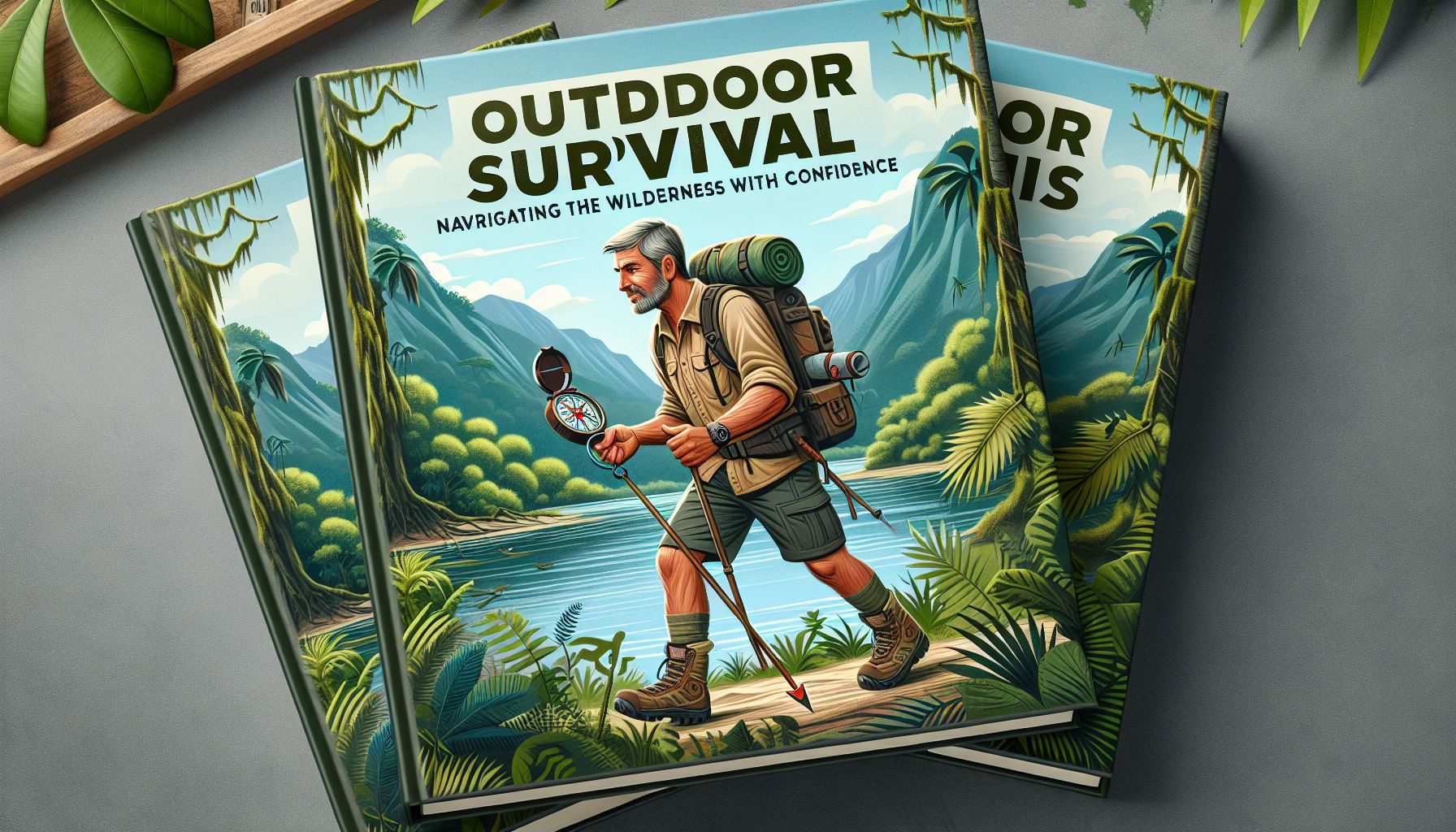
Exploring the great outdoors is an exhilarating experience, offering a chance to connect with nature and test our limits. However, venturing into the wilderness requires careful planning and survival skills. Whether you’re an outdoor enthusiast, a camping lover, or an explorer at heart, understanding the principles of outdoor survival is crucial. In this article, we will dive into some essential tips to help you navigate the wilderness with confidence.
1. Preparation is Key
Before embarking on any outdoor adventure, proper preparation is absolutely essential. Begin by familiarizing yourself with the area you plan to explore. Research the climate, terrain, and potential hazards. Knowing what to expect will enable you to better prepare for various challenges that may arise.
Next, ensure you have the necessary equipment and clothing. A reliable source of clean drinking water is vital, so pack a water filtration system or purification tablets. Additionally, dress in layers to adapt to changing weather conditions. Don’t forget to bring a well-stocked first aid kit, a compass, a map, a sturdy knife, and a reliable means of starting a fire.
2. Sharpen Your Hunting Skills
In a survival scenario, hunting wild animals can be a valuable skill, providing both sustenance and a connection to nature’s resources. However, it is crucial to always prioritize ethics and follow legal regulations. If you choose to hunt, take some time to develop your hunting skills beforehand.
Learn to identify animal tracks and signs, enabling you to track and locate game. Acquire knowledge about local animals’ behavior patterns, feeding areas, and migratory routes. This information will help increase your chances of successfully hunting for sustenance.
3. Embrace Your Inner Outdoor Survivalist
Outdoor survivalists possess a wide range of skills that allow them to thrive in even the most challenging environments. Some of these skills include building shelters, starting fires, finding and purifying water sources, and crafting tools from natural materials.
-
Shelter construction: Learn how to build simple shelters using available natural resources like branches, leaves, and debris. This skill is invaluable, providing protection from the elements and ensuring a good night’s rest.
-
Fire-starting techniques: Familiarize yourself with different fire-starting methods, such as using a fire starter kit, flint and steel, or friction-based techniques. Understanding the principles of fire-building ensures warmth, cooking capabilities, and the ability to signal for help if needed.
-
Water sourcing and purification: Knowing where to find water and how to make it safe for consumption is critical. Learn to identify potential water sources like rivers or streams, and utilize purification methods such as boiling, chemical treatment, or using portable water filters.
-
Crafting tools: Develop the ability to craft basic tools from natural materials. Learning to create spears, fishing traps, or simple snares can significantly increase your chances of finding food.
4. Grow Food Organically
While hunting can provide nourishment, growing your own food organically can be an excellent way to sustain yourself over an extended period. Consider carrying lightweight gardening tools, seeds, and a small planting container. Learn about the plants native to the area you’re exploring and their potential uses. Cultivating edible plants such as fruits, vegetables, and herbs can supplement your diet, ensuring you have a sustainable long-term food source.
5. Edible Foods in the Forest
When foraging in the wilderness, having knowledge of edible plants can be a lifesaver. Familiarize yourself with plants like dandelions, chickweed, stinging nettle, cattail, and wild berries. These plants are often abundant and provide valuable nutrients. However, exercise caution and consult a reliable resource to differentiate between edible and poisonous plants. Making an incorrect identification can have severe consequences.
Conclusion
Embarking on an outdoor adventure can be a truly transformative experience, tapping into our primal connection with nature. However, to ensure a successful and safe journey, it is crucial to equip yourself with the necessary skills and knowledge. Remember to always prepare thoroughly, sharpen your hunting skills responsibly, embrace the outdoor survivalist spirit, consider growing food organically, and familiarize yourself with edible foods found in the forest. With these essential tips, you can confidently navigate the wilderness, ready to face any challenge that comes your way. Now, go forth and immerse yourself in the beauty and serenity of nature!
Outdoor Survival in the Wilderness: A Guide for Outdoor Enthusiasts, Campers, and Explorers
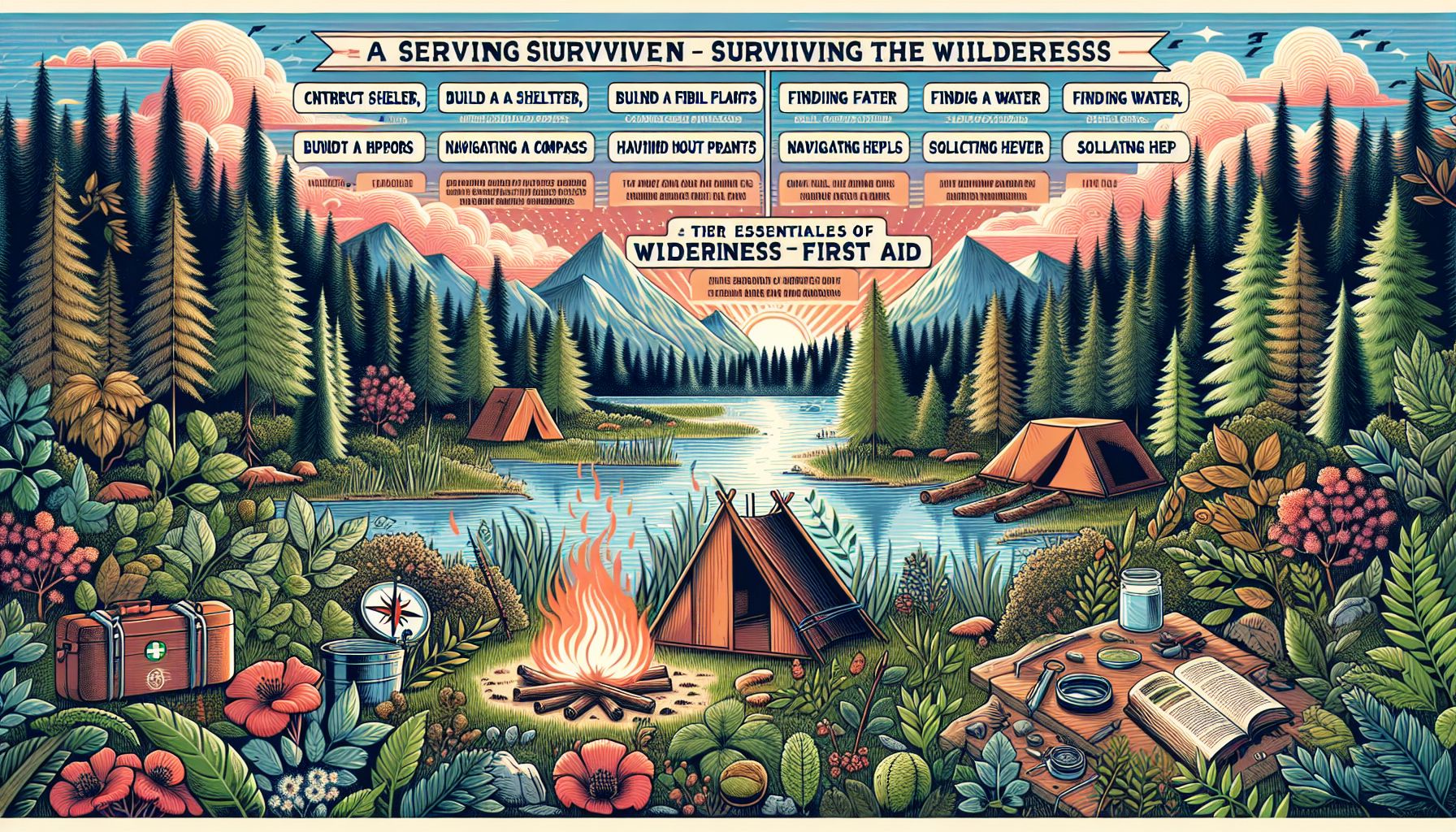
Exploring the vast wilderness can be an exhilarating experience for outdoor enthusiasts, campers, and explorers alike. Being prepared for the unknown is the key to survival when venturing into the great outdoors. Whether you are planning a short camping trip or embarking on a long expedition, this guide will equip you with essential knowledge and tips to ensure your safety and well-being while surrounded by nature’s wonders.
The Basics of Surviving Outdoors
Surviving in the wilderness requires a combination of skills, resources, and planning. To begin, it is essential to develop a survival mindset. This mindset includes staying calm, evaluating your situation, and making informed decisions. Remember, every decision you make can significantly impact your overall well-being.
The first thing you need to prioritize in survival situations is shelter. A sturdy and waterproof shelter can protect you from harsh weather conditions, insects, and dangerous animals. Consider packing lightweight, easily assembled tents or tarp shelters in your backpack to ensure you’re always prepared.
Next, focus on gathering water. Water is undoubtedly the most vital resource for survival. Look for natural water sources such as rivers, streams, and lakes. It’s crucial to purify any water you find before consumption. Boiling, filtering, or using water purification tablets can help remove harmful bacteria and parasites, ensuring your safety.
Finally, acquiring food is a crucial aspect of outdoor survival. Although hunting wild animals may seem like a viable option, it requires considerable skill and knowledge of the local fauna. However, it’s always recommended to research local wildlife and learn basic hunting techniques before embarking on your outdoor adventure.
Outdoor Survivalists: Masters of the Wild
If you truly wish to become a seasoned survivalist, learning from the experts is vital. Outdoor survivalists are individuals who have honed their skills and have a profound understanding of the wilderness and its resources. Seek out training courses and workshops offered by experienced survivalists, where they will teach you essential skills such as building snare traps, fire-making techniques, and navigation without a compass.
A trained survivalist knows the importance of being resourceful, making use of everything that nature provides. They can identify edible plants, utilize natural materials for shelter, and even fashion tools from natural resources. Becoming a proficient survivalist requires patience, practice, and respect for nature.
Growing Food Organically: A Sustainable Solution
While hunting wild animals can be challenging, there are alternative ways to ensure a steady supply of food in the wild. Growing your food organically is an excellent sustainable solution for long-term survival. Pack a compact survival garden kit containing essential seeds, lightweight gardening tools, and biodegradable planters. These kits are designed to be easily transported and can save you from going hungry during extended stays in the wilderness.
Selecting the right plants for your survival garden is paramount. Opt for easy-to-grow vegetables such as tomatoes, beans, and potatoes. These crops not only provide essential nutrients but are also relatively undemanding to cultivate. Additionally, consider planting herbs like basil, mint, and rosemary, which can enhance the taste of your meals and provide medicinal benefits.
Edible Foods You Can Find in the Forest
In the wilderness, familiarizing yourself with edible plants can be a lifesaver. Forests are abundant with a wide array of vegetation that can supplement your food supplies. However, it is crucial to exercise caution and consult reliable field guides to ensure you correctly identify edible plants, as some can be toxic.
Many forests offer edible berries and nuts, such as blackberries, raspberries, hazelnuts, and acorns. These can provide essential nutrients and serve as a tasty snack while on your outdoor journey. Additionally, certain plants like dandelions, nettles, and chickweed are rich in vitamins and can be consumed in salads or cooked as a side dish.
Conclusion
As you embark on your outdoor adventure, remember that survival in the wilderness requires planning, knowledge, and a steadfast mindset. Prioritize shelter, water, and food, and proactively acquire the necessary skills to navigate and excel in the wild. Seek guidance from experienced outdoor survivalists and explore sustainable solutions like organic gardening and identifying edible foods in the forest.
By mastering these skills and implementing them into your wilderness excursions, you can ensure a safe, exciting, and rewarding experience surrounded by nature’s unparalleled beauty. So, gear up, pack your essentials, and get ready for an unforgettable journey into the heart of the wild.
Surviving in the Wilderness: Essential Tips for Outdoor Enthusiasts
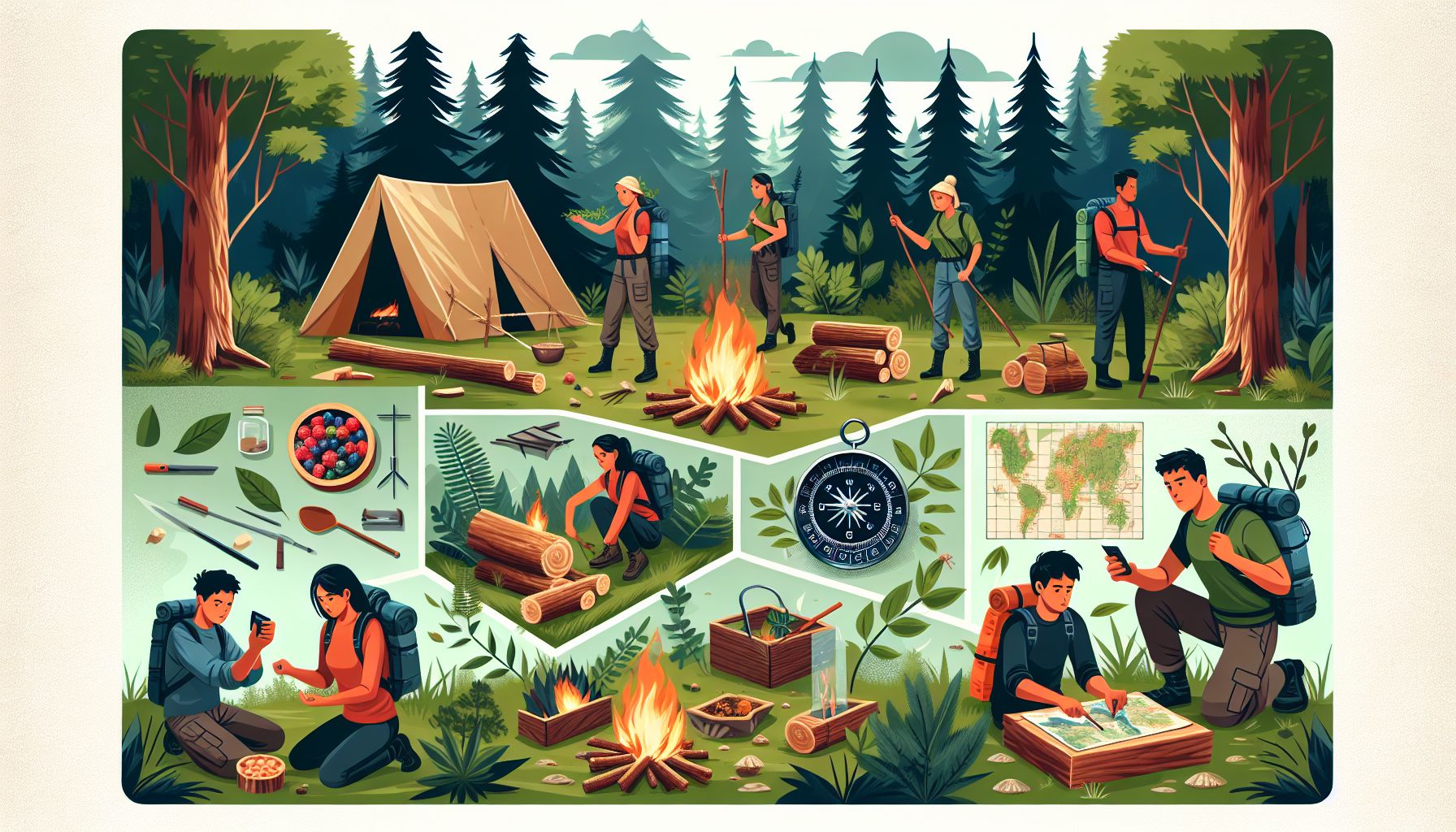
When it comes to exploring the great outdoors, whether you are a seasoned outdoor enthusiast or a camper looking for adventure, it is essential to have a good understanding of outdoor survival skills. Knowing how to survive in the wilderness can make all the difference in the world. From finding food to shelter, these skills are critical for anyone planning to spend time in nature. In this article, we will discuss some essential tips and strategies for surviving in the wilderness.
Finding Shelter and Ensuring Safety
One of the first priorities in any survival situation is creating or finding shelter. Whether you are camping or lost in the wilderness, having a shelter will protect you from harsh weather conditions and predators. If you’re lucky, you may find a natural shelter like a cave or an overhanging rock, but in most cases, you will have to build one.
Knowing how to construct a shelter is vital. Look for an area with ample natural resources. Start by creating a sturdy framework with branches and logs, ensuring that it is thick and insulated enough to withstand the elements. Use leaves or grass to create a waterproof layer on top.
Additionally, it’s crucial to think about your safety. If possible, choose a sheltered spot away from potential dangers, such as animal dens or steep hillsides. Keep your shelter close to a water source, but not too close to avoid flooding risks. Also, make sure your shelter is visible from a distance and easily spotted by rescue teams.
Finding Food in the Wilderness
Hunting for wild animals may not be everyone’s cup of tea, but in a survival situation, it could be crucial. Learning to hunt or trap animals can provide you with protein-rich food, ensuring your survival in the wild. However, it is essential to research local regulations and possess the necessary skills and permits before attempting hunting or trapping activities.
For those who prefer a plant-based diet, learning about edible foods and wild plants is equally important. Familiarize yourself with native edible plants in the area you plan to explore. Many forests and wilderness areas are teeming with a variety of edible plants, such as wild berries, nuts, mushrooms, and roots. However, be cautious and educate yourself on proper identification techniques to avoid eating something poisonous.
The Art of Organic Food Production
For outdoor survivalists looking to take their self-sufficiency to the next level, learning about organic food production can be a game-changer. Growing food organically in the wilderness not only provides nutrition but also connects you to the land in a deeper sense.
Investigate methods for growing food in the wild, such as creating small gardening plots, using compost, and choosing hardy crops suited for the local climate. Additionally, consider learning about natural pest control methods, as harsh chemicals used in conventional agriculture won’t be readily available. Embrace the challenge of growing your own food in harmony with nature.
Edible Delights in the Forest
While knowing how to hunt or grow food in the wilderness is valuable, it’s also important to recognize the edible foods available directly in the forest. Nature often provides a bounty of delicious treats for those who know where to look.
Foraging for edible foods can be an exciting and rewarding experience. Forests are often home to an abundance of edible plants like dandelions, wild garlic, nettles, and cattails. Invest time in learning about the local ecosystem and its edible offerings—consult guidebooks or join local foraging groups to expand your knowledge.
Conclusion
Surviving in the wilderness requires more than just enthusiasm and gear. It necessitates a solid groundwork of survival skills and knowledge. Remember, finding or building shelter, ensuring safety, hunting or foraging for food, growing your own sustenance, and identifying wild edible foods are key skills for any outdoor enthusiast and camper.
As you embark on your outdoor adventures, make sure you seek out further education on outdoor survival skills. Equip yourself not just with gear, but with the knowledge and skills that will empower you to face any challenges that the wilderness may throw your way. With the right skills and mindset, you can enjoy the wonders of nature while staying safe, self-sufficient, and connected to your surroundings.
Outdoor Survival in the Wilderness: A Comprehensive Guide for Adventurers
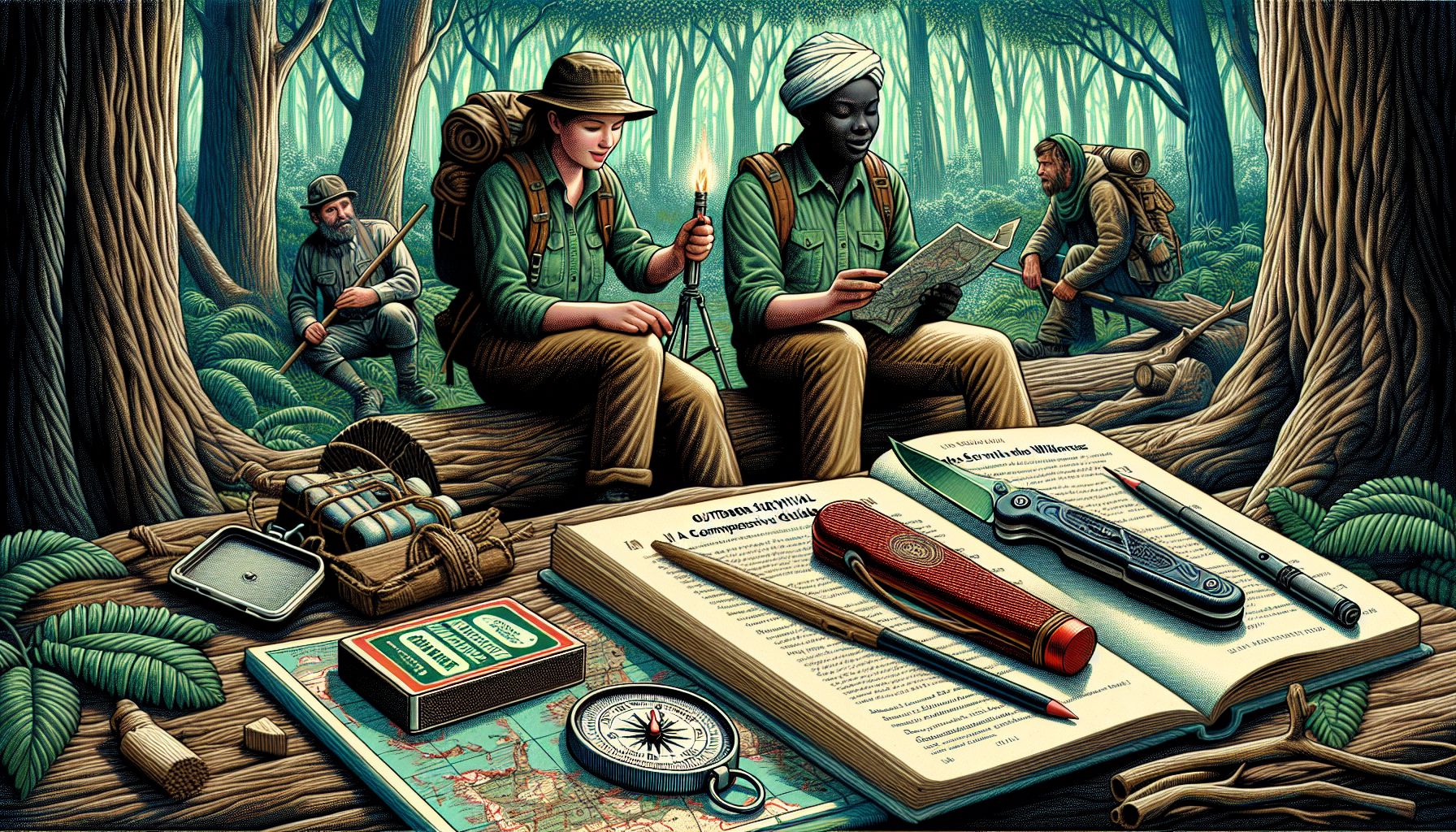
Are you an outdoor enthusiast, a seasoned camper, or an explorer craving the excitement of the wilderness? If so, you understand the importance of being prepared for any situation that may arise. Whether you find yourself stranded in the middle of nowhere or simply want to sharpen your survival skills, this article will provide you with valuable insights and techniques to ensure your safety and well-being in the great outdoors.
Surviving Outdoors: The Basics
Before venturing into the wild, it is crucial to equip yourself with the necessary knowledge to ensure your survival. One of the fundamental aspects of outdoor survival is understanding your surroundings and the potential threats they may pose. Research the area you plan to explore, familiarize yourself with local wildlife, and learn about common weather patterns to anticipate the challenges that may arise during your adventure.
In addition to knowledge, a well-prepared survival kit is essential. Your kit should include a map, compass, waterproof matches, a multi-tool, a first aid kit, a flashlight, an emergency blanket, and enough supplies to meet your basic needs for at least 72 hours. Remember, proper preparation is the key to survival.
Hunting Wild Animals: An Essential Skill
While hunting wild animals may not be in everyone’s comfort zone, having knowledge of this skill can be a lifesaver in certain situations. If you find yourself in a survival scenario, being able to obtain food from your surroundings can provide much-needed sustenance. However, it is essential to remember that hunting should always be done ethically and responsibly.
Take the time to learn about local hunting regulations and restrictions before attempting to hunt in the wild. Additionally, acquire the necessary skills to effectively and humanely hunt your prey. Understanding animal behavior, setting traps, and knowing how to handle game properly are all crucial elements of successful hunting.
Outdoor Survivalists: Learning From the Experts
The world of outdoor survival encompasses a rich community of experts who dedicate their lives to mastering the art of surviving in the wilderness. Becoming familiar with the work of prominent outdoor survivalists can provide you with valuable insights and techniques.
From Bear Grylls and Les Stroud to Ray Mears and Cody Lundin, these experts offer a wealth of knowledge through books, television shows, and online resources. By studying their methods and experiences, you can gain a deeper understanding of survival principles and apply them in real-life situations.
Growing Food Organically: Thriving in the Wild
While hunting is one way to secure sustenance in the wild, knowing how to grow food organically can provide a sustainable source of nutrition. Cultivating your own crops not only enables you to supplement your food supply but also creates a sense of self-reliance, allowing you to thrive in even the most unforgiving environments.
Before embarking on your outdoor adventure, familiarize yourself with the local flora and fauna. Learn which plants are edible and how to identify them correctly. Acquire essential gardening skills and understand different growing techniques such as container gardening and vertical farming. With this knowledge, you can transform even the harshest wilderness into a thriving garden.
Edible Foods You Can Find in the Forest
In the wild, the forest is a veritable pantry, filled with an array of edible foods that can sustain you. From berries and nuts to wild mushrooms and edible roots, nature provides us with an abundance of resources. However, it is vital to exercise caution and learn to differentiate between edible plants and potentially harmful ones.
Study field guides or take part in a wilderness survival course to learn how to identify edible plants reliably. Seek guidance from experienced foragers and gatherers who can impart their wisdom and offer hands-on training. By expanding your knowledge of wild edible foods, you can truly make the most of your outdoor experience.
Conclusion
Surviving in the wilderness requires a combination of knowledge, skills, and preparation. By understanding your surroundings, equipping yourself with a well-prepared survival kit, learning to hunt ethically, studying the techniques of outdoor survivalists, and mastering the art of growing food organically, you can navigate the wilderness with confidence.
Remember, outdoor survival is not just about enduring; it’s about thriving and finding harmony within nature. So, get out there, explore the wild, and immerse yourself in the beauty of the great outdoors, armed with the wisdom and skills to conquer any challenge that may come your way.
Outdoor Survival in the Wilderness: A Guide for Outdoor Enthusiasts, Campers, and Explorers

Are you an outdoor enthusiast, camper, or explorer with a passion for nature and a hunger for adventure? If so, it is crucial to equip yourself with the knowledge and skills necessary for outdoor survival in the wilderness. In this blog post, we will provide you with essential tips and insights to help you navigate through the wild, living off the land and thriving in the great outdoors.
Introduction: The Art of Surviving Outdoors
Surviving in the wilderness requires a certain level of adaptability, resourcefulness, and preparation. Whether you are planning a weekend camping trip or embarking on a long-term adventure, these survival skills will prove invaluable.
Finding Water: A Priority for Survival
Water is one of the most critical components of outdoor survival. When in the wilderness, it is essential to know how to locate and purify water sources. Popular methods for purifying water include boiling, using water filters or water purification tablets. Additionally, familiarize yourself with sources of natural freshwater such as lakes, rivers, or rainfall catchment areas, which will play a crucial role in sustaining yourself in the wild.
Safe Food Sourcing: Hunting Wild Animals
While hunting wild animals is an option for survival, it is important to approach this activity responsibly and ethically. Ensure you are aware of local hunting regulations and possess the necessary skills and equipment for hunting. Some of the most common animals hunted for food include deer, wild boar, and small game like rabbits. Remember, the key is to maintain a balance between utilizing the resources the wilderness provides while conserving the natural ecosystem.
Empowering Survivalists: Outdoor Survival Training
For those who are serious about exploring the wilderness, engaging in outdoor survivalist training is an excellent investment. Joining survival courses or workshops equips you with the fundamental skills needed to thrive in nature. From building a shelter and finding edible plants to navigation and fire starting, you will develop the confidence and knowledge required to handle any outdoor situation.
Living off the Land: Growing Food Organically
If you plan on an extended stay in the wilderness, cultivating your own food can be a sustainable solution. Practicing organic farming techniques in the wild not only allows you to grow your food but also ensures a steady supply of fresh produce. However, before venturing into the wilderness with agricultural aspirations, familiarize yourself with the local soil conditions, weather patterns, and suitable crop species.
The Bounty of the Forest: Edible Foods You Can Find
While hunting and growing food provides sustenance, the forest itself can also offer a cornucopia of edible treasures. Learning to identify and harvest wild edible plants is a vital skill. Some common examples include mushrooms, berries, nuts, and even certain types of leaves. However, always remember to consult a reliable field guide or seek advice from experienced foragers to ensure you are consuming safe and edible species.
Conclusion: Thriving in the Great Outdoors
Outdoor survival in the wilderness is an art that requires continuous learning, adaptability, and respect for nature. By equipping yourself with the necessary skills, such as finding water, hunting responsibly, and understanding natural food sources, you can confidently explore and thrive in the great outdoors. Remember, preparation and knowledge are the keys to a successful wilderness adventure. Stay safe, be responsible, and enjoy the wonders that nature has to offer. Happy exploring!
In summary, surviving outdoors in the wilderness is a multifaceted challenge that requires a comprehensive understanding of various skills and techniques. By focusing on water sourcing, responsible hunting, outdoor survival training, organic farming, and foraging for edible plants, outdoor enthusiasts can increase their chances of thriving in the wilderness while respecting nature and its resources. Now, armed with this knowledge, it’s time for you to embark on a remarkable outdoor adventure!
Outdoor Survival in the Wilderness: Essential Tips for Outdoor Enthusiasts, Campers, and Explorers
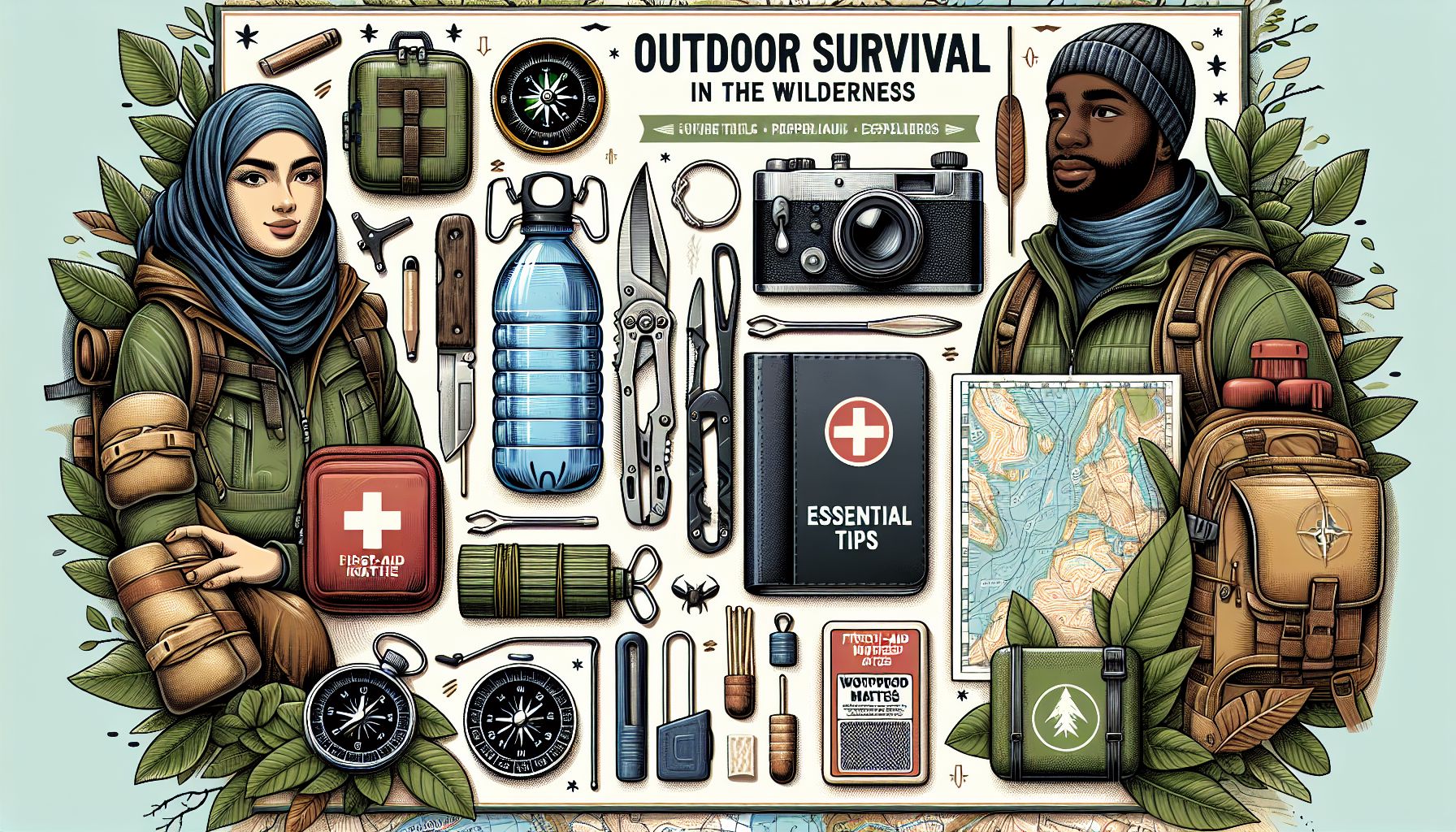
The great outdoors is a playground for adventure, offering countless opportunities to explore, discover, and connect with nature. However, venturing into the wilderness can be a daunting prospect for even the most experienced outdoor enthusiasts. To ensure your safety and enhance your overall experience, it is vital to familiarize yourself with the principles of outdoor survival. In this article, we will delve into the essential tips that will equip you to face the challenges of the wilderness and emerge triumphant.
Introduction: Nature, the Ultimate Playground
There is a primal allure to the wilderness that draws us in. The solitude, the raw beauty, and the sense of freedom are unparalleled. However, it is crucial to remember that nature demands respect and can be unforgiving. By understanding the basics of outdoor survival, you will be better prepared to tackle any obstacles that come your way.
The Key to Survival: Preparedness
When it comes to surviving in the wilderness, preparedness is paramount. Before setting foot into the great outdoors, ensure you are well-equipped with the essential survival gear. A sturdy backpack, a reliable compass and map, a multi-tool, waterproof matches, and a first-aid kit are just a few items that should never be overlooked.
Shelter: Your Haven in the Wilderness
Building a suitable shelter is one of the first tasks to undertake in the wild. When selecting a location, prioritize protection from the elements and access to a water source. Master the art of constructing a secure and weatherproof shelter using natural materials, such as branches, leaves, and rocks. A sturdy shelter will not only provide warmth but also offer psychological comfort, giving you the peace of mind needed to navigate other challenges.
Hunting: Sustaining Yourself in the Wild
While in the wilderness, the ability to procure your own food is invaluable. For experienced outdoor survivalists, hunting wild animals can provide sustenance. However, it is essential to approach hunting ethically and responsibly, adhering to local regulations and guidelines. Acquiring the necessary skills, such as setting snares, tracking, and identifying edible plants, can increase your chances of success.
Food: Nature’s Pantry
Nature, rich and diverse, offers an abundance of edible plants and fruits that can be harvested sustainably. Familiarize yourself with the flora in your surroundings and identify the plants that are safe for consumption. Some common examples include dandelion, nettles, wild berries, and cattail roots. Remember, though, that proper identification is crucial to avoid any potential dangers.
Water: The Essence of Life
Access to clean drinking water is vital for survival, especially in the wilderness. While pristine water sources may appear refreshing, they can be contaminated with harmful bacteria or parasites. To ensure safe consumption, bring a portable water filter or purification tablets. Additionally, learning how to identify natural sources of clean water, such as springs or running streams, can be a lifesaver.
Organic Gardening: Cultivating Food in the Wild
For long-term survival in the wilderness, it is essential to think beyond hunting and foraging. Creating and maintaining an organic garden can provide a sustainable food source. Select an area with adequate sunlight, prepare the soil, and choose plants that are suitable for the local climate. Cultivating vegetables, such as tomatoes, peppers, and beans, will not only nourish your body but also provide a sense of accomplishment and self-sufficiency.
Conclusion: Embrace the Adventures of the Wild
Exploring the wilderness presents an opportunity to discover the vast beauty and inherent challenges of nature. By acknowledging the principles of outdoor survival, you equip yourself with the skills and knowledge necessary to thrive in such an environment. Remember, preparation, shelter, sustenance, and water are the foundational pillars of outdoor survival. Embrace the adventures that await as you step out into the wilderness with confidence, respect for nature, and a thirst for exploration. Stay safe, stay resilient, and enjoy the journey!