Outdoor Survival in the Wilderness: A Guide for Adventurers
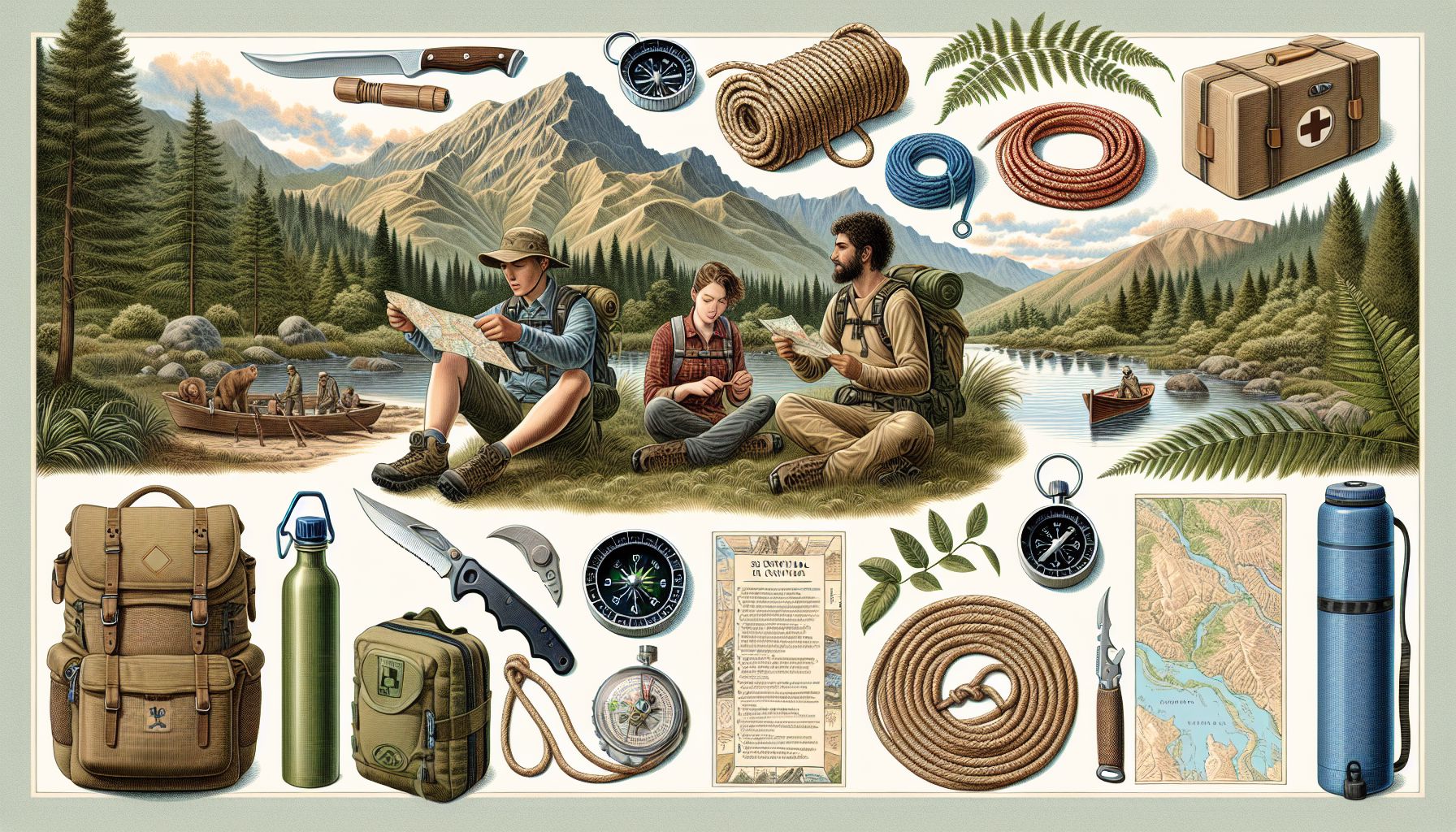
Are you an outdoor enthusiast, camper, or explorer who loves immersing themselves in the beauty of nature? Do you enjoy the challenge and thrill of surviving in the wilderness? If so, then this guide to outdoor survival is perfect for you. Whether you’re a seasoned outdoor survivalist or a beginner looking to develop your skills, this article will provide you with essential tips and knowledge to ensure your safety and success in the wild.
Introduction to Outdoor Survival
Surviving outdoors can be both an exhilarating and challenging experience. Being prepared and equipped with the right skills and knowledge is crucial for your well-being. The first and foremost aspect of outdoor survival is understanding the principles of survival: shelter, water, fire, and food. In this article, we will primarily focus on hunting wild animals, growing food organically, and identifying edible foods you can find in the forest.
Hunting Wild Animals
Hunting can be a vital means of procuring food in the wild. However, it requires a deep understanding of the local fauna, their behavior, and survival instincts. For ethical and sustainable hunting, it is essential to abide by local regulations and respect the natural balance of the ecosystem.
When hunting wild animals, it’s wise to acquire knowledge of their tracks, signs, and habitats. Paying close attention to your surroundings and learning to identify these cues can significantly increase your chances of a successful hunt. Additionally, familiarize yourself with different hunting techniques, such as tracking, stalking, trapping, or fishing, to diversify your food sources.
Growing Food Organically
While hunting can provide a valuable food source, it’s always beneficial to supplement it with other means of sustenance. In the wild, growing food organically can be a rewarding practice. For those knowledgeable in plant identification and horticulture, the wilderness can be a treasure trove of edible plants and crops.
By learning to recognize edible plants, you can forage for nourishment without disrupting the delicate balance of the ecosystem. Familiarize yourself with common edible plants, such as berries, nuts, roots, and leaves. However, it’s essential to understand that misidentification can be dangerous, so extensive research or expert guidance is crucial.
Furthermore, consider carrying a small gardening kit that includes lightweight tools for preparing soil and sowing seeds. Utilize fertile areas around water sources and prioritize easily cultivable crops. By incorporating these practices, you can ensure a sustainable and nutritious food supply during your outdoor adventures.
Edible Foods You Can Find in the Forest
In addition to hunting and growing food, it’s important to develop the skill of identifying edible foods while exploring the forest. This knowledge can be invaluable, especially during unexpected situations or when food resources are scarce.
Some common edible foods found in the forest include wild mushrooms, edible insects, and various types of greens. However, it’s crucial to remember that not all mushrooms or insects are safe for consumption. Take the time to study and learn about these species before attempting to include them in your diet.
Moreover, consider learning about natural resources that can provide vital nutrients and supplements, such as plants that offer medicinal properties or herbs for flavoring your meals. A deep understanding of the available resources in the wild will equip you better for survival and self-sustainability.
Conclusion
Outdoor survival in the wilderness requires a combination of skills, knowledge, and respect for nature. Whether you rely on hunting wild animals, growing food organically, or foraging for edible foods in the forest, it’s crucial to be well-prepared and informed.
Remember to always prioritize safety and sustainability. Practice ethical hunting, be aware of local regulations, and respect the balance of the ecosystem. Develop your knowledge of edible plants and focus on growing food organically whenever feasible. By cultivating these skills, you’ll not only enhance your outdoor survival abilities but also foster a deeper connection with the natural world around you. So, gear up, equip yourself with knowledge, and embark on the thrilling journey of outdoor survival in the wilderness!
Outdoor Survival in the Wilderness: A Guide for Outdoor Enthusiasts
For outdoor enthusiasts, campers, and explorers alike, going on an adventure into the wilderness can be incredibly thrilling but also potentially dangerous. It is essential to be adequately prepared and have the necessary knowledge to survive in the great outdoors. In this blog post, we will delve into the art of outdoor survival, covering everything from essential skills to cultivating food organically and foraging for edible forest finds. So, grab your backpack and let’s embark on a journey into the world of wilderness survival!
Introduction to Outdoor Survival
Surviving outdoors requires a unique set of skills, knowledge, and resourcefulness. The ability to navigate, build shelter, find or grow food, and regulate body temperature are crucial aspects of wilderness survival. Outdoor survivalists are masters of adapting to their surroundings, using their surroundings to their advantage, and making do with limited resources. Let’s explore some fundamental practices that can help you navigate the challenges of surviving in the wilderness.
Finding Shelter
Finding or building a suitable shelter should be your first priority in a survival situation. Shelter provides protection from the elements, insulates body heat, and helps ward off potential predators. Utilize natural formations like caves or rock overhangs to your advantage. If these options are not available, constructing a debris shelter using branches, leaves, and natural materials can be a lifesaver. A well-built shelter will keep you warm and dry, significantly increasing your chances of survival.
Navigating and Orientation
Navigating without the aid of modern technology can be a challenging endeavor. However, learning basic navigation skills can mean the difference between life and death in the wilderness. Firstly, familiarize yourself with the lay of the land and be attentive to distinctive landmarks. Additionally, learning how to read a map and a compass is invaluable. Having these essential skills will enable you to find your way back to civilization or locate water and other vital resources.
Procuring Food
Hunting wild animals for sustenance is an option for those well-versed in survival techniques, but should not be relied upon solely. Its pursuit often requires time, energy, and knowledge of local wildlife patterns. Instead, utilizing a combination of skills, such as growing food organically and foraging for edible plants, can be more efficient and sustainable.
Cultivating a small outdoor garden can provide a reliable source of fresh produce, even in the wilderness. Focus on easy-to-grow staples such as tomatoes, potatoes, and beans. These crops can provide essential nutrients and sustenance while requiring minimal space and resources.
Foraging for edible foods in the forest is another valuable skill. Familiarize yourself with wild edible plants such as dandelions, cattails, and wild berries. Research and identify the edible plants in your specific region before venturing into the wilderness. Never consume any plant without proper identification or knowledge of its properties, as some can be toxic.
Conclusion
Venturing into the wilderness can be an exhilarating experience, but it is crucial to be well-prepared for any challenges that may arise. Understanding outdoor survival skills can mean the difference between life and death in these situations. By learning how to find or build shelter, navigate using basic tools, and procure food through various means such as organic gardening and foraging, you will be better equipped to face the wilderness with confidence.
Remember, survival is not just about the physical aspects but also about maintaining a positive mindset and keeping your wits about you. Stay calm, rely on your knowledge and skills, and trust in your ability to adapt to the ever-changing situations that the wilderness presents. With the right preparation and a bit of resourcefulness, you can safely explore the untamed beauty of nature, making memories that will last a lifetime. So, go forth, embrace the wild, and savor the great adventure that is wilderness survival!
Surviving in the Wilderness: A Guide for Outdoor Enthusiasts, Campers, and Explorers
Do you have a deep appreciation for nature and a desire to immerse yourself in the great outdoors? If so, you may find yourself venturing into the wilderness, where survival skills become crucial. Whether you are an outdoor enthusiast, camper, or explorer, understanding the basics of outdoor survival is essential for your safety and well-being. In this article, we will explore some key strategies and knowledge to help you thrive in the wilderness.
Introduction: The Importance of Outdoor Survival Skills
Venturing into the wilderness can be a thrilling and awe-inspiring experience. However, it is important to remember that nature can be unforgiving, and unexpected circumstances may arise. By equipping yourself with basic outdoor survival skills, you can mitigate potential risks and ensure a safer and more enjoyable adventure.
Body: Key Strategies for Outdoor Survival
1. Finding Shelter
In the wilderness, shelter provides crucial protection against the elements and wildlife. Familiarize yourself with building simple shelters using natural materials such as branches, leaves, and bark. If you have a tarp or a lightweight tent, these can serve as excellent options as well. Aim to find or construct a shelter that is insulated and away from potential hazards.
2. Locating and Purifying Water
Water is a fundamental resource for survival. When in the wilderness, it is important to know how to find, collect, and purify water. Look for natural water sources such as rivers, streams, or lakes. Collect water from these sources using a container or by improvising with materials at hand. Prioritize purifying the water through boiling, using water purification tablets, or filtering it with a portable water filter.
3. Starting a Fire
Fire serves multiple purposes in the wilderness: warmth, cooking food, and signaling for help. Prioritize learning various techniques to start a fire, such as using a fire starter, matches, or friction-based methods like the bow drill or hand drill. Ensure fire safety by building your fire away from flammable materials and always extinguishing it completely.
4. Obtaining Food
Hunting wild animals for sustenance requires more advanced survival skills and knowledge. If you are inexperienced or prefer a more sustainable approach, consider focusing on gathering edible plants and fruits, which can be found abundantly in forests. Study the local flora and learn to identify edible plants and berries. However, it is crucial to exercise caution and never consume something if you are unsure of its edibility.
5. Navigation and Signaling for Help
Being able to navigate your way in the wilderness is essential for survival. Learn basic navigation techniques using a compass, landmarks, or by observing the sun and stars. Additionally, carrying a whistle, signaling mirror, or even a simple flashlight can greatly aid in attracting attention and signaling for help in case of an emergency.
Conclusion: Thriving in the Wilderness
Outdoor survivalists possess a unique set of skills and knowledge that enable them to thrive in the wild. By familiarizing yourself with the basics of outdoor survival, you too can embark on unforgettable journeys while minimizing risks. Remember, always prepare for your adventures in advance and equip yourself with essential gear and tools. With proper planning and an understanding of outdoor survival strategies, you can safely explore the wilderness and create cherished memories that will last a lifetime.
So, get out there and embrace the beauty and challenges of the great outdoors. Happy exploring!
*[MD]: Markdown
If you find yourself stranded in the wilderness, there are a few key things you can do to increase your chances of survival
If you find yourself stranded in the wilderness, there are a few key things you can do to increase your chances of survival. Here are five of the most important:
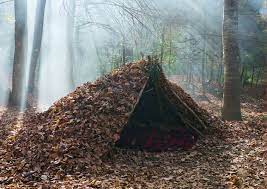
1. Find shelter. If possible, find or build some kind of shelter to protect yourself from the elements. Even something as simple as a tree canopy can offer some relief from the sun or rain. Once you have the essentials taken care of, it’s time to find a safe place to spend the night. If you’re in an emergency situation, any kind of shelter is better than none. But if you have the time and resources, it’s best to build a shelter that will protect you from the elements.
Building a debris hut is one of the most effective ways to find shelter in the wild. To build a debris hut, simply find two trees that are close together and lean some large branches against them in the shape of a V. Then, cover the branches with smaller sticks, leaves, and anything else you can find to insulate the shelter.
2. Look for water. Once you have shelter, your next priority should be finding a source of clean water to drink. If there is no fresh water available, you can try collecting rainwater or melted snow.
You can also purify water from ponds, streams, or lakes using a water filter or purification tablets. Wild water may look clean, but it can be filled with harmful bacteria that can make you sick. If you’re purifying water, you’ll need to boil it for at least three minutes. Boiling water will kill any bacteria or viruses that may be present.
There are many ways to purify water in the wild. Boiling is one of the most effective methods, but it does require some time and patience. If you’re in a hurry, you can also purify water using iodine tablets or a water filter. purify water using iodine tablets or a water filter. purify water using iodine tablets or a water filter. purify water using iodine tablets or a purifying straw. All of these methods will remove harmful bacteria and viruses from your water, making it safe to drink.
When you’re out in the wild, it’s important to be prepared. purify water using iodine tablets or a water filter. purify water using iodine tablets or a purifying straw. These simple methods will ensure that you have clean, safe water to drink, no matter where you are. purify water using iodine tablets or a purifying straw. Always be prepared and purify your water before drinking it. Cheers!
3. Forage for food. If you’re lucky, you may be able to find edible plants or fruits in the wild. However, it’s important to exercise caution when eating anything that you’re not 100% sure is safe.
If you’re unsure whether a plant is edible, avoid eating it. Some common edible plants include wild strawberries, blackberries, and dandelions.
4. Build a fire. A fire can help you stay warm and dry, and also ward off predators. If you have matches or a lighter, building a fire will be relatively easy. However, if you don’t have any fire-starting materials, you’ll need to get creative.
One way to build a fire without matches is to use a battery and some steel wool. Simply touch the ends of the steel wool to the positive and negative poles of the battery. Doing this will cause the steel wool to heat up and spark. Then, quickly place the steel wool on your tinder and blow gently on the embers to get the fire going.
To build a fire, you’ll need three things: tinder, kindling, and fuel. Tinder is small, dry material that will catch fire easily. Kindling is small pieces of wood that will help the fire to grow. And fuel is larger pieces of wood that will keep the fire burning.
Building a fire is simple, but it does require some practice. First, you’ll need to gather tinder and kindling. Then, you’ll need to build a teepee out of the kindling. Once the teepee is built, you’ll need to light it with a match or a lighter. Once the fire is lit, you’ll need to add fuel to keep it going.
4. Signal for help. If you have any kind of signal device, such as a whistle or mirror, use it to attract attention from rescuers who may be looking for you.
5. Stay positive. No matter how dire the situation may seem, it’s important to maintain a positive outlook. This will help you stay calm and focused, and better able to deal with whatever challenges come your way.
Outdoor Survival in the Wilderness: An Essential Guide for Outdoor Enthusiasts, Campers, and Explorers
Have you ever dreamt of venturing into the great outdoors and challenging yourself in the wilderness? Do you crave the thrill of disconnecting from the modern world and surviving solely on your own instincts? If you are an outdoor enthusiast, camper, or explorer who seeks such an adventure, then you’ve come to the right place. In this informative guide, we will explore the essential skills and knowledge required to survive in the wilderness, from the basics of shelter and fire to sourcing food and navigation. So, grab your backpack and let’s embark on an unforgettable journey into the wild!
The Basics of Wilderness Survival
Before diving into the depths of outdoor survival, it’s crucial to understand the golden rule: preparation. Ensure you equip yourself with the right tools and knowledge to face nature’s challenges head-on. When it comes to shelter, prioritize finding a suitable location that offers protection from the elements. Building a simple lean-to or using a waterproof tent can provide the comfort and security needed to weather the storm.
In addition to shelter, fire is a crucial element for survival. Mastering the skill of starting a fire in the wilderness is essential for warmth, cooking, signaling, and keeping wild animals at bay. Practice various methods, like using a fire starter kit, friction-based techniques such as a bow drill, or even using a magnifying glass on sunny days. Remember, fire safety is paramount, so always ensure you extinguish it completely before leaving.
Navigating the Wilderness
Lost in the vast expanse of the wilderness? Fear not! A survivalist must possess the skills to navigate and find their way back to civilization. While a compass and map are ideal, you should also familiarize yourself with alternative techniques. Study natural signs like moss growth on trees (usually found on the north side), rock formations, and the movement of the sun and stars. Knowledge of the local wildlife and their migratory patterns can also aid in navigation.
Sourcing Food in the Wilderness
Hunting and foraging for food are essential skills for any outdoor survivalist. However, it’s vital to approach wildlife with respect and caution. Research and learn about local animal behavior, habitats, and safe hunting practices. Understand that hunting laws and regulations exist to preserve ecosystems, and you should adhere to them responsibly. If hunting is not your forte, focus on familiarizing yourself with edible plants and foraging techniques instead.
While hunting offers a direct source of protein, discovering edible foods in the forest can be equally rewarding. Wild berries, nuts, fruits, and certain greens like dandelion leaves are often abundant and nutritious. However, exercise caution when foraging and avoid consuming anything you are unsure of. Incorrect identification may lead to severe consequences.
Growing Food Organically: A Wilderness Garden
For those planning a long-term stay in the wilderness or just looking to supplement their food supply, learning to grow food organically can be invaluable. Cultivating a wilderness garden allows you to have a sustainable source of fresh produce. Research the region you are exploring and identify plants that thrive in the wild. Beans, potatoes, tomatoes, and various herbs are known to do well in temperate climates. Experiment with companion planting, utilizing natural compost, and innovative gardening techniques.
Conclusion
Surviving in the wilderness demands a range of skills, from basic shelter and fire-making to hunting, foraging, and navigation. Outdoor enthusiasts, campers, and explorers are naturally drawn to the challenges, thrills, and serene beauty the wilderness offers. By preparing yourself with the necessary knowledge and skills, you can embark on this journey with confidence and truly connect with nature. Remember to prioritize safety, respect wildlife, and leave no trace behind. So, lace up your boots, grab a map, and embrace the magic of the outdoors – the wild awaits!
Outdoor Survival in the Wilderness: A Guide for Outdoor Enthusiasts, Campers, and Explorers
There’s something awe-inspiring about being surrounded by the untamed beauty of the wilderness, where every step can lead to an unexpected adventure or test of survival. For outdoor enthusiasts, campers, and explorers, the ability to survive and thrive in the great outdoors is a true skill. Whether you’re planning a rugged backpacking trip or simply want to be prepared for any unforeseen circumstances, this guide will provide you with valuable knowledge and tips for outdoor survival in the wilderness.
Introduction: The Will to Survive
Outdoor survivalists understand that the key to surviving in the wilderness lies not only in physical preparedness but also in mental fortitude. A strong will to survive combined with a basic understanding of survival skills can make all the difference when facing unexpected challenges in the wild.
1. Gathering the Essentials
Before embarking on any outdoor adventure, it is crucial to pack the essential survival gear. These include a sturdy backpack, a reliable multi-tool, waterproof matches or a lighter, a compass or GPS device, a first aid kit, water purification tablets or filters, and enough food and water for the duration of your trip. Additionally, a portable camping stove, tent, sleeping bag, extra clothing, and a knife are highly recommended.
2. Finding Food and Water Sources
In a survival situation, finding food and water becomes a top priority. While hunting wild animals might seem like a viable option, it requires advanced skills and may not always be legal or ethical. Instead, focus on other ways to sustain yourself in the wilderness. Growing food organically is not feasible in survival scenarios due to limited resources, so it is essential to know what edible foods you can find in the forest.
The forest is a treasure trove of edible plants such as berries, nuts, and edible greens like dandelion leaves or wild onions. Acquaint yourself with these edible plants before venturing into the wilderness to ensure you can identify them correctly. Additionally, learn basic survival skills like fishing, trapping small game, and collecting rainwater or dew from plants for your water supply.
3. Navigating and Shelter Building
When lost or disoriented in the wilderness, having navigational skills is crucial for finding your way back to civilization. Carrying a compass and a map, along with the knowledge of how to use them, will greatly increase your chances of survival. If possible, take a navigation course or practice orienteering to become adept at reading maps and understanding terrain features.
Building a shelter is another essential skill in outdoor survival. Whether it’s a lean-to, a debris hut, or a tarp shelter, understanding how to construct a sturdy and weather-resistant shelter will protect you from the elements and provide a sense of security during your stay in the wilderness.
4. Staying Safe and Prepared
Surviving in the wilderness also requires preparation and vigilance. Always inform someone of your plans, including your intended destination, route, and estimated return time. This way, if you encounter any unforeseen circumstances and do not return as planned, authorities can initiate a search and rescue operation.
Another vital aspect of staying safe is being aware of potential risks and knowing how to mitigate them. Research the location you plan to visit and familiarize yourself with the wildlife, weather conditions, and potential hazards specific to that area. Carry bear spray or other appropriate wildlife deterrents, and practice proper food storage techniques to minimize the risk of attracting unwanted animal visitors.
Conclusion: Embracing the Wilderness
Outdoor survival in the wilderness demands physical preparedness, mental strength, and a willingness to adapt. By equipping yourself with the necessary gear, knowledge of edible plants, navigation skills, and an understanding of potential risks, you can confidently embrace the wilderness and experience its awe-inspiring beauty. Remember, surviving in the wild is not just about living, but also about learning and growing as an outdoor enthusiast, camper, and explorer. Stay safe, be prepared, and always respect the power and serenity of nature.
Outdoor Survival in the Wilderness: Essential Tips for Outdoor Enthusiasts, Campers, and Explorers
Are you an outdoor enthusiast who loves to immerse themselves in the wonders of nature? Do you enjoy camping or embarking on thrilling expeditions into the wilderness? If so, being equipped with the knowledge of outdoor survival is of paramount importance. Knowing how to thrive in the wild can not only enhance your experiences but also ensure your safety. In this article, we will explore essential tips for surviving outdoors, hunting wild animals, growing food organically, and finding edible foods in the forest.
Surviving Outdoors: The Basics
When venturing into the wilderness, it is crucial to be prepared for unexpected situations. Before anything else, always inform someone about your plans and expected return time. Carry essential items such as a compass, map, fire starter, first aid kit, multi-tool, and extra food and water. Familiarize yourself with the area’s climate, terrain, and any potential hazards.
Developing basic survival skills further enhances your chances of thriving in the wild. Knowing how to build a shelter using natural resources, like branches and leaves, can protect you from harsh elements. Fire is both a source of warmth and a means of cooking food, so learning how to start a fire by using flint or other primitive methods is invaluable. Additionally, understanding how to purify water by boiling or using water purification tablets can prevent you from falling ill due to consuming contaminated water sources.
Hunting Wild Animals: An Essential Skill
Hunting is a skill that has been practiced by outdoor survivalists for centuries, providing not only sustenance but also a connection with nature. While hunting wild animals for food in a survival situation is justifiable, it is important to respect wildlife and follow local hunting regulations.
One efficient method of hunting is through trap setting. Snares and deadfalls can be used to catch small game such as rabbits or squirrels. Knowledge of animal tracks and habits can help you identify potential hunting grounds. Picking up hunting techniques, such as camouflage, stalking, and tracking can significantly increase your chances of success in securing a meal.
Growing Food Organically: Sustainable Nutrition in the Wilderness
Surviving in the wilderness over an extended period may require you to establish a sustainable food source. Growing food organically not only provides you with nutrition but also allows you to connect with the land and become self-reliant.
Selecting suitable plants for cultivation is essential. Hardy crops such as root vegetables (carrots, turnips) or leafy greens (spinach, kale) can thrive in outdoor conditions. Utilize natural fertilizers, such as compost or animal excrements, to enrich the soil. Collecting rainwater or finding alternative water sources for irrigation is crucial for plant survival.
Edible Foods You Can Find in the Forest: Nature’s Bounty
While growing food is beneficial, the forest is also home to numerous edible plants that can supplement your diet. Acquiring knowledge about these edible foods can be life-saving in a survival situation.
One such example is wild berries. Blueberries, blackberries, raspberries, and strawberries can be found in forests and provide a great source of natural sugars and vitamins. Nuts, such as walnuts and hazelnuts, are packed with essential fatty acids and proteins. Additionally, foraging for edible plants like nettles, dandelions, or mushrooms can provide a nutrient-rich boost to your diet.
Conclusion
Outdoor survival skills are essential for anyone who enjoys exploring and camping in the wilderness. From basic survival techniques to hunting wild animals and growing food organically, these skills not only enhance your experiences but also ensure your safety and well-being. Remember always to prioritize safety and adhere to local regulations when hunting or foraging. With the right knowledge and preparation, you can embark on incredible outdoor adventures and thrive in the wonders of nature. Stay safe, be prepared, and enjoy your outdoor pursuits!
Outdoor Survival in the Wilderness: A Guide for Outdoor Enthusiasts, Campers, and Explorers
Are you an outdoor enthusiast, camper, or explorer who loves the thrill of venturing into the wilderness? If so, you know that being prepared is essential to ensure your safety and enjoyment. Whether you’re planning a challenging multi-day hike or just a weekend camping trip, mastering some outdoor survival skills will not only enhance your experience but also provide you with the necessary tools to handle unexpected situations. In this article, we will guide you through some fundamental principles of surviving in the great outdoors.
The Essentials of Survival
Before embarking on any outdoor adventure, make sure you have the fundamental survival tools at your disposal. First and foremost, pack a reliable and versatile knife. A good knife can assist you in tasks like building shelters, preparing food, and even crafting tools. Additionally, carry a fire starter, water purification tablets or a filtration system, a map and compass (and know how to use them), a first aid kit, and some basic camping gear like a tent and sleeping bag.
Navigating the Wilderness
Navigating the wilderness is a crucial skill for any outdoor survivalist. Before setting off, familiarize yourself with the area you’ll be exploring and plan your routes accordingly. Study maps, consider elevation changes, and identify possible water sources. Keep your compass handy and know how to use it. In the event of getting lost, stay calm and take time to assess your surroundings. Look for landmarks, follow water and determine your direction using the sun, moon, or stars. If all else fails, consider building a shelter and waiting for help.
Finding Food in the Wild
Hunting wild animals for food is a skill that dates back to our ancestors and remains relevant in outdoor survival today. However, it requires a significant amount of practice, patience, and knowledge. While it is beyond the scope of this article to delve into the details of hunting, it’s important to mention that pursuing and capturing prey should always be done while adhering to local regulations and respecting ethical considerations.
For those who don’t want to rely solely on hunting, growing food organically is a sustainable option. Some outdoor survivalists choose to carry non-GMO seeds and plant them in secluded areas, ensuring a constant supply of fresh produce during their adventure. However, this method requires skill, patience, and knowledge in determining the best areas for planting and the appropriate timing to maximize the yield.
Edible Foods in the Forest
While hunting and growing food are viable long-term survival strategies, the forest offers a myriad of edible foods that can supplement your diet in the short term. Familiarize yourself with edible plants, berries, nuts, and mushrooms that are safe to consume. However, exercise caution and learn to distinguish between edible and poisonous species. For example, blackberries, raspberries, and blueberries are generally safe to consume and provide valuable nutrients. Similarly, certain mushrooms like morels and chanterelles are highly sought after delicacies. It’s essential to educate yourself before venturing into the wilderness to avoid accidental ingestion of poisonous plants or fungi.
Staying Safe and Healthy
Wilderness survival also entails taking care of your physical and mental well-being. To avoid dehydration, always carry a sufficient amount of water or a reliable water filtration system. Adequate shelter is vital, as exposure to extreme weather conditions can be life-threatening. Learn how to build a shelter using natural materials such as tree branches, leaves, or even by utilizing caves or rock formations. Keeping warm is equally important, so bring appropriate clothing and gear to retain body heat.
Moreover, don’t underestimate the power of fire. Beyond providing warmth, fire can deter dangerous animals, provide light, and even serve as a signal for rescue. Always prioritize fire safety and follow the “Leave No Trace” principles while camping. Familiarize yourself with fire-starting techniques, gather dry and burnable materials to ensure a successful fire, and carry a fire starter tool as a backup.
Conclusion
Outdoor survival in the wilderness is an ancient art that has been passed down through generations. By mastering essential survival skills, you can embark on your outdoor adventures with confidence and be better equipped to handle any unexpected situations. Remember to always be prepared, stay calm in challenging circumstances, and respect nature. Whether you’re venturing into the wilderness for the first time or have years of experience, there is always more to learn. Embrace the beauty of the natural world and cherish the exhilarating experience of survival in the great outdoors. Stay safe, be mindful of your surroundings, and enjoy your adventures to the fullest!
Outdoor Survival in the Wilderness: Essential Tips for Outdoor Enthusiasts
Are you an outdoor enthusiast, camper, or explorer? Do you yearn for the thrill of the wilderness and crave the serenity of nature? Then, sooner or later, you may find yourself in a situation where outdoor survival skills become paramount. Whether you embark on a solo adventure or join a group, understanding how to survive in the wild is essential. So, brace yourself, adventurers, as we embark on a journey into the world of outdoor survival in the wilderness.
The Key to Survival: Preparedness
The first and most important rule of surviving outdoors is being prepared. Before venturing into the wilderness, equip yourself with a thorough understanding of basic survival techniques. Familiarize yourself with fundamental skills such as constructing a shelter, starting a fire, and finding or purifying water. Additionally, ensure you have the proper gear, including a sturdy backpack, a map and compass, a headlamp or flashlight, multi-purpose tools, and a first aid kit.
Sustenance from the Wild
In a wilderness survival scenario, finding food is crucial. While hunting wild animals might seem like the answer, it requires extensive knowledge and skill. Therefore, it is critical to prioritize your safety when considering hunting as a means of sustenance. If you lack the appropriate knowledge or equipment, it is advisable to focus on alternative food sources and techniques.
Instead, consider growing food organically in your backpack or relying on edible plants found in the forest. A key resource in this regard is your knowledge of wild edible plants. Study and familiarize yourself with regional flora to identify plants that are safe for consumption. For example, dandelions, chickweed, and plantains are often abundant and nutritious. Remember to always double-check your findings with a reliable source or expert before consuming any unfamiliar plants.
Constructing a Shelter
Mastering the art of shelter-building can mean the difference between life and death in the wilderness. A well-constructed shelter can protect you from harsh weather conditions and provide a sense of security, allowing you to conserve energy for other survival tasks. Look for natural elements, such as fallen trees, rocks, or caves, that can serve as the foundation of your shelter. Utilize available materials, such as branches, leaves, and moss, to create a sturdy and weather-resistant structure.
Igniting a Life-Saving Fire
The ability to start a fire in the wilderness is a fundamental survival skill. Fire provides warmth, light, and can be used for cooking, purifying water, and signaling for help. Ensure you have proper fire-starting tools, such as waterproof matches, a lighter, or a fire starter kit, in your survival gear.
When choosing a location for your fire, be mindful of safety. Select an area away from low-hanging branches, dry vegetation, or anything that may easily catch fire. Additionally, clear the surrounding area to create a safety zone, preventing the flames from spreading uncontrollably. Always prioritize fire safety to avoid potential disasters.
Finding and Purifying Water
Water is the elixir of life, and sourcing it in the wilderness is a top priority. Begin by searching for natural water sources such as streams, rivers, or lakes. If unavailable, consider collecting rainwater or dew in a clean container, or digging for groundwater near vegetation. Always filter and purify the water before consumption to eliminate potentially harmful bacteria and parasites. Boiling, using water purification tablets, or investing in a portable water filter are reliable methods to ensure you stay hydrated without falling ill.
Keeping Your Wits: Mental and Physical Well-being
Surviving in the wilderness requires more than just physical stamina; it demands mental fortitude. Isolation, unpredictable weather, and the challenges of finding food and water can take a toll on your psyche. Maintaining a positive mindset, staying calm, and having a clear plan will help you endure the hardships.
Additionally, prioritize rest and self-care. Adequate sleep is essential for mental and physical rejuvenation. Allocate time each day to assess your surroundings, make a survival plan, and conserve energy. Remember, patience, perseverance, and resilience are key to surviving in the wild.
The Art of Outdoor Survivalists
Outdoor survivalists are individuals who have honed their skills in the wilderness and can handle the most extreme conditions. Their expertise is derived from years of experience, study, and practice. If you aim to become an outdoor survivalist, seek guidance from reputable sources, join survival training programs, or even partake in guided expeditions. By actively pursuing knowledge and testing your skills, you can transform yourself into a seasoned wilderness survivor.
Conclusion: Thriving in the Wild
When you venture into the wilderness, remember that outdoor survival skills are your lifeline. Prioritize preparedness by equipping yourself with the necessary knowledge and tools. Emphasize finding alternative food sources, constructing a sturdy shelter, starting a life-saving fire, and sourcing and purifying water. Engage your mental strength, practice self-care, and consider pursuing the skills of outdoor survivalists. With the right mindset, skills, and equipment, you can become a true master of outdoor survival and thrive in the wild. Happy adventures, fellow explorers!
Outdoor Survival in the Wilderness: A Guide for Adventurers
As outdoor enthusiasts, campers, and explorers, there is nothing more exhilarating than venturing into the wilderness and immersing ourselves in nature’s beauty. However, it is crucial to be prepared for the challenges that may arise when surviving in the outdoors. In this guide, we will explore essential tips to ensure your safety, hunt for wild animals responsibly, harness the skills of outdoor survivalists, grow food organically, and identify edible foods available in the forest.
Introduction: The Art of Surviving Outdoors
Surviving in the wilderness requires a combination of knowledge, skills, and preparedness. Before embarking on any outdoor adventure, it is essential to research the location thoroughly and familiarize yourself with its climate, terrain, and wildlife. Additionally, make sure to pack essential gear such as a sturdy tent, appropriate clothing, a reliable knife, a map, and a compass.
Body: Mastering Outdoor Survival
1. Hunting Wild Animals Responsibly
When it comes to hunting wild animals for survival, it is crucial to approach this task with utmost respect and responsibility. Research local regulations and obtain the necessary permits before engaging in hunting activities. Always prioritize sustainable hunting methods, aiming to maintain the ecological balance and preserve the natural habitat. Remember to use hunting as a means of sustenance rather than sport, utilizing as much of the animal as possible.
2. Learning from Outdoor Survivalists
Outdoor survivalists possess invaluable skills that can help adventurers endure challenging situations. Seek out survival training programs to acquire crucial knowledge, including shelter building, fire making, water purification, and navigational techniques. Understanding the principles of survival can be fundamental in alleviating the uncertainties that may arise in the wilderness.
3. Growing Food Organically
While hunting may provide sustenance, it is advisable to diversify your food sources by growing organic produce. Cultivating fruits and vegetables in a controlled environment can ensure a more consistent food supply. Consider carrying lightweight gardening equipment like small trowels and seeds suitable for the local environment. Opt for hardy varieties that are resistant to pests and adaptable to unpredictable weather conditions.
4. Identifying Edible Forest Foods
Exploring the wilderness also means encountering an abundance of edible foods. Educate yourself on the different species of plants and fungi that can provide nourishment. However, exercise extreme caution when foraging, as some plants can be poisonous. Learn to identify edible plants such as dandelions, wild berries, cattails, and certain types of mushrooms. Carry a field guide to aid in the identification process and seek guidance from experienced foragers.
5. Water Sourcing and Purification
Water is a vital resource, and finding a clean and reliable source is key to survival. Before consuming any water found in the wilderness, it is crucial to purify it properly. Boiling water is the most reliable method, but if this is not possible, use water filtration systems or water-purifying tablets to eliminate harmful bacteria and parasites. Always carry a lightweight water filter in your backpack as a precaution.
6. Building Adequate Shelters
In the wild, exposure to the elements can be life-threatening. Mastering the art of shelter building is crucial for outdoor survival. Start by selecting a suitable location, ensuring it provides protection from wind and rain. Use available resources such as fallen branches, leaves, and rocks to construct a sturdy shelter. Remember to insulate the shelter with natural materials to regulate temperature and provide comfort.
7. Fire Making Techniques
Fire serves multiple purposes in outdoor survival, including warmth, cooking, and signaling for rescue. Learn various techniques for starting a fire, such as using a Ferro rod, magnifying glass, friction-based methods like the bow drill or hand drill, or even fire-starting tools like waterproof matches or lighters. Prioritize safety by keeping your fire contained and ensuring you have an adequate supply of firewood readily available.
Conclusion: Embrace the Wilderness
Surviving in the great outdoors requires knowledge, adaptability, and respect for nature. By responsibly hunting, learning from experienced survivalists, growing food organically, identifying edible forest foods, sourcing and purifying water, building adequate shelters, and mastering fire making techniques, you can embark on outdoor adventures with confidence. Remember, part of the thrill lies in the unknown, so seize the opportunity to immerse yourself in nature’s wonders while staying safe and mindful of the environment.